A Dignified Life Becomes a Distant Dream for Many Iranian Families Amid US Pressure
Due to US sanctions and internal economic challenges, many families in Iran are finding it increasingly difficult to meet basic needs and live a dignified life.
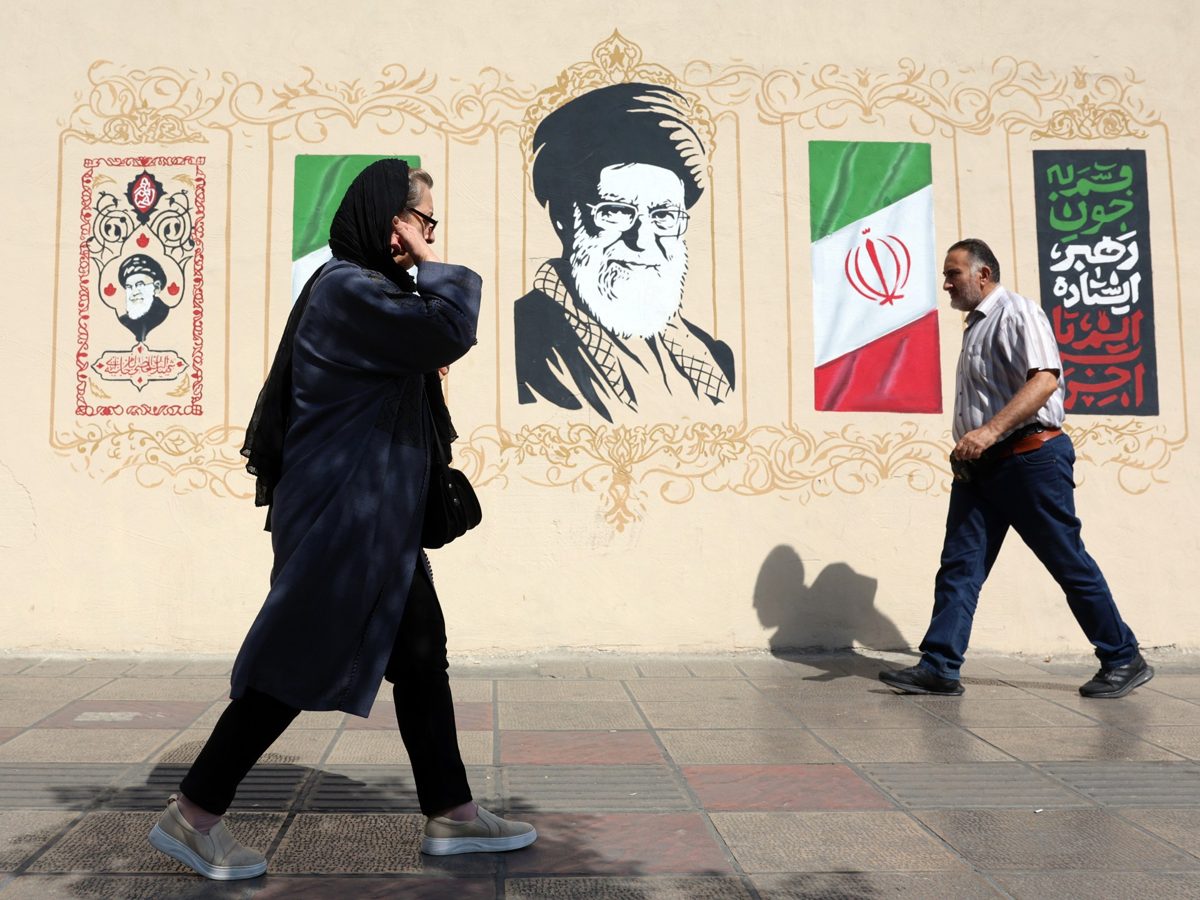
Many families in Iran are struggling with increasingly difficult living conditions due to US sanctions and internal economic problems. Especially the younger generations face issues such as unemployment, high inflation, and declining purchasing power, shattering their dreams of an independent life.
Young people like 23-year-old Bardia, living in Tehran, state that they feel even worse off than the "burned generation" of the 1980s. The country's economy is under immense pressure from prolonged sanctions, regional tensions, and domestic mismanagement.
Highlights
- Soaring Inflation: According to the Statistical Center of Iran, annual inflation reached 89% in August, with food inflation exceeding 127% compared to the previous year.
- Declining Purchasing Power: Families can go weeks without buying essential food items like meat and can no longer afford to eat out or buy new clothes.
- Weakening National Currency: The Iranian rial hit an all-time low of over 1.37 million rials per US dollar in the open market last week.
- Youth's Future Concerns: Young Iranians express that goals like owning a home, starting a family, or emigrating are becoming increasingly distant dreams.
- Government Subsidies Insufficient: Government cash subsidies and food assistance are proving inadequate to support families amidst rising expenses.
Details
The political and economic turmoil following Iran's 1979 Islamic Revolution profoundly affected the generation born in the 1980s. However, today, with intensified US sanctions, a volatile job market, and rising inflation, younger generations face even tougher conditions. Bardia's family struggles to get by on a monthly income of approximately $350, while basic expenses constantly increase. His retired father works as a taxi driver, and his mother tries to earn extra income by sewing at home.
The country's economy has further deteriorated due to the US and Israeli war on the country, which began in February, along with increased sanctions and naval blockades. The government's petrol price hike last week is expected to further fuel inflation, reducing the public's purchasing power. Internet restrictions and anti-government protests also contribute to the rising tensions in the country.
Why it matters
The current "no war, no peace" status quo in Iran creates uncertainty for both the government and families, negatively impacting the economy. Households are focusing on preserving their purchasing power rather than long-term planning. Economists state that the Iranian economy's resilience is sustained through reduced consumption, lower savings, and a decline in household welfare. If this situation persists, what is currently termed "resilience" may gradually turn into an "erosion of resilience," leading to severe long-term social and economic problems.