South China Sea Code of Conduct Unlikely to Conclude at ASEAN Summit Amid Rising Tensions
A long-awaited agreement on a code of conduct for the disputed South China Sea is not expected to be finalized at the current ASEAN summit.
Highlights
- Negotiations for a code of conduct in the South China Sea, ongoing for over two decades, are unlikely to conclude at the current ASEAN leaders' summit in Manila.
- While 80% of the document is complete, key disagreements persist, particularly concerning the geographical scope of the agreement.
- China asserts sovereignty over nearly the entire South China Sea, a claim rejected by a 2016 international tribunal, and disputed by several Southeast Asian nations.
- Tensions between the Philippines and China have escalated significantly since President Ferdinand Marcos Jr. took office in 2022.
- A recent diplomatic exchange saw China's Foreign Minister urge his Philippine counterpart to control politicians' public statements.
Details
Despite more than 20 years of discussions, a comprehensive code of conduct for the contested South China Sea remains elusive, with analysts suggesting a resolution is improbable during this week's Association of Southeast Asian Nations (ASEAN) summit in Manila. Philippine Department of Foreign Affairs (DFA) Secretary Maria Theresa Lazaro indicated that while the document is 80% complete, significant points, including its territorial scope, still require consensus. Beijing's expansive claims over almost the entire South China Sea, contrary to a 2016 international tribunal ruling, are a central point of contention, alongside overlapping claims from the Philippines, Vietnam, Malaysia, Brunei, and Indonesia. The Philippines also advocates for the agreement to safeguard the interests of non-regional nations, given that half of global merchant shipping traverses these waters.
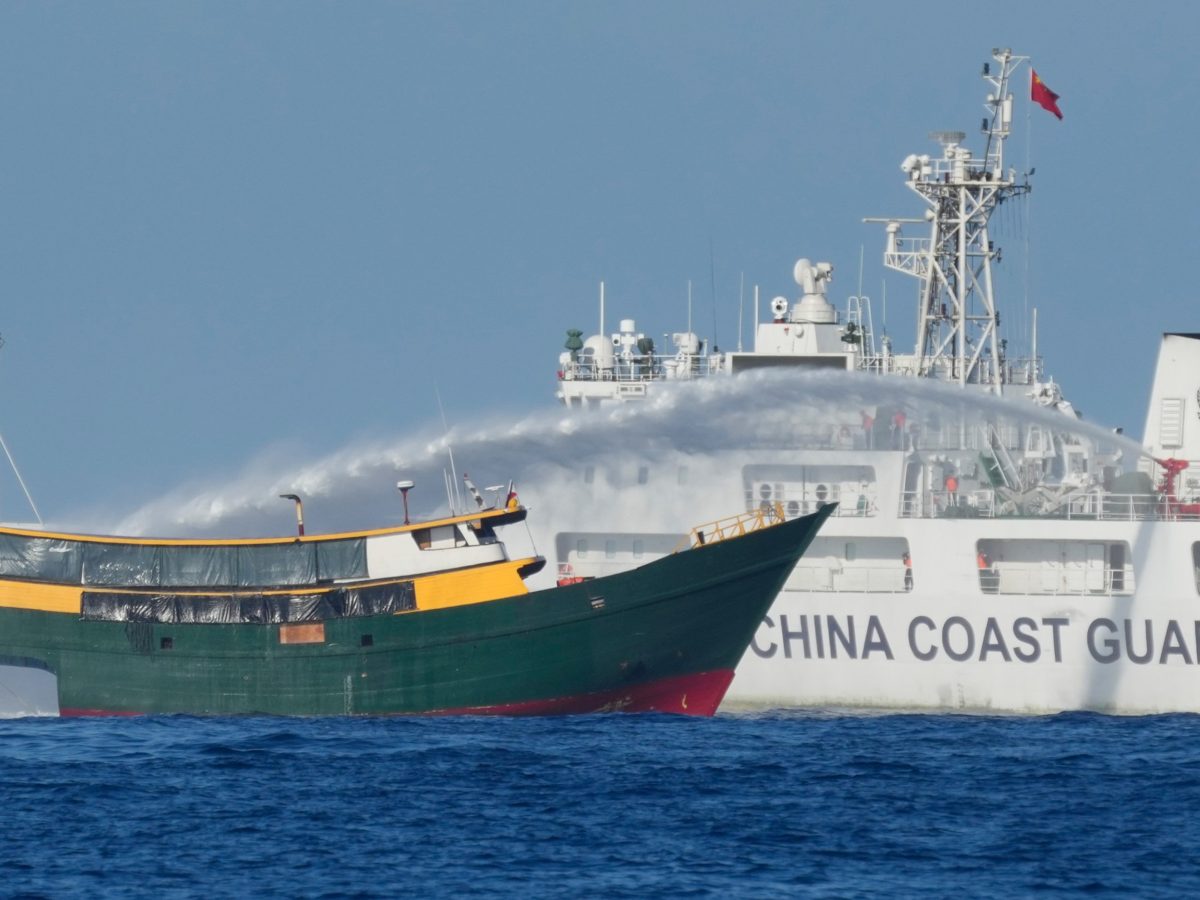
Relations between Manila and Beijing have deteriorated markedly since Philippine President Ferdinand Marcos Jr. assumed office in 2022. Incidents involving the China Coast Guard's use of water cannons against Philippine vessels and maritime collisions have exacerbated the situation. Recent weeks have witnessed a war of words between officials from both nations. Chinese Foreign Minister Wang Yi reportedly called on his Philippine counterpart to manage public pronouncements by politicians, urging a unified and rational approach to China policy. The Philippine DFA subsequently expressed regret over certain officials' public comments, emphasizing the institutional responsibility that accompanies public platforms.
Why it matters
The South China Sea is a critical global trade artery, and persistent instability in the region could severely impact international supply chains and the global economy. The failure to finalize a code of conduct heightens the risk of escalating tensions, potentially leading to significant international repercussions. Furthermore, this ongoing impasse raises questions about ASEAN's effectiveness in resolving complex regional disputes and maintaining stability within its sphere of influence. The lack of a clear framework for managing maritime interactions leaves the region vulnerable to continued confrontations.