Allegations of Environmental Devastation by Israel in Palestinian Territories
A new report claims that Israel's policies in Palestinian territories, despite its greenwashing claims, lead to ecological devastation, severely impacting olive trees, water resources, and soil.
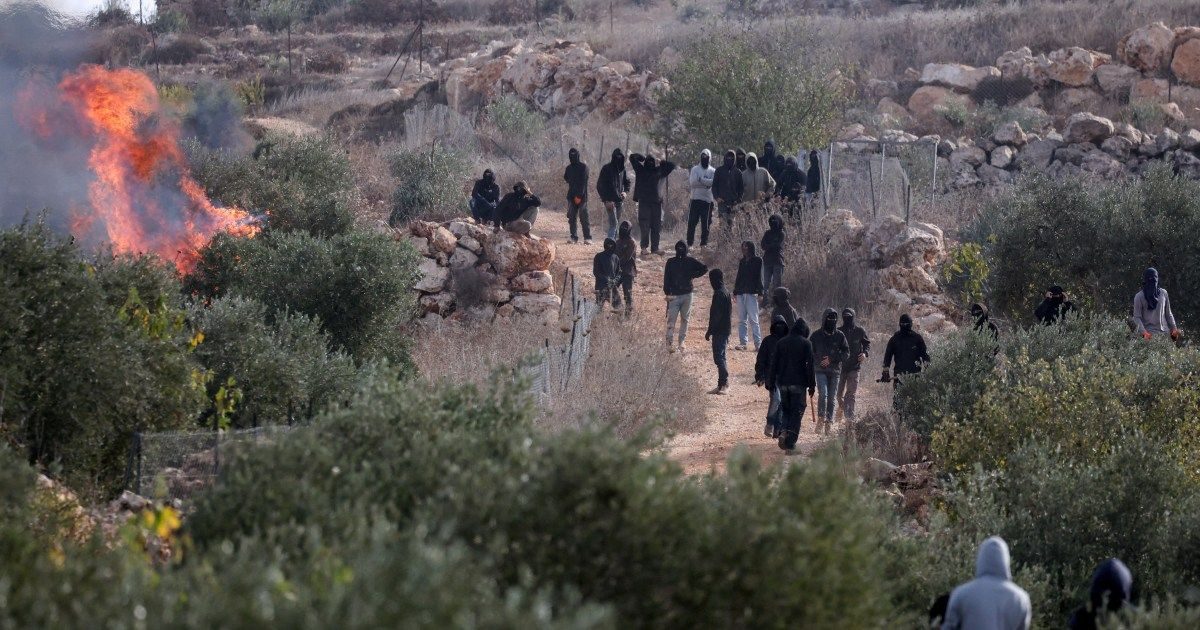
Policies implemented by Israel in Palestinian territories are alleged to cause ecological devastation, contradicting its claims of "making the desert bloom." This destruction reportedly spans from the eradication of olive trees to the diversion of water resources.
According to the report, Israeli policies since the 1948 Nakba have profoundly affected the natural landscape of Palestine, rendering the region's ecosystems unsustainable.
Highlights
- In the occupied West Bank, 4,500 olive trees have reportedly been damaged or uprooted this year, with a total of 100,000 olive trees destroyed since January.
- In Gaza, 97 percent of the two million olive trees have reportedly been wiped out since October 2023.
- Between 1967 and the 2010s, Israel is alleged to have destroyed over 800,000 olive trees.
- Mekorot, Israel's national water company, is reportedly diverting water resources from Palestinian towns and villages to Israeli settlements.
- Approximately 85 percent of buildings in the Gaza Strip have been destroyed, leaving an estimated 70 million tons of rubble containing various toxins.
Details
Israel's environmental impact in Palestinian territories is not limited to the destruction of olive trees. The report highlights practices such as controlling water resources and spraying pesticides on Palestinian farmers' fields, which are said to disrupt the ecological balance. Efforts by Israel to reshape Palestine's natural landscape according to its European-style agricultural methods are claimed to have had adverse effects on local ecosystems.
For instance, the planting of imported, easily flammable tree species like eucalyptus is alleged to have increased the frequency and intensity of wildfires. Furthermore, there are claims that trees have been planted over the remains of Palestinian villages in an attempt to erase Palestinian presence.
The situation in Gaza is described as reaching "ecocide" levels. Intense bombardment and bulldozing are reported to have devastated agricultural land, trees, soil, and water. The 70 million tons of rubble from destroyed buildings are said to contain heavy metals such as lead, cadmium, and arsenic, as well as explosive compounds like TNT, which can seep into the soil and groundwater, causing long-term environmental damage.
Why it matters
These allegations suggest that, contrary to Israel's claims of "making the desert bloom" and its environmental expertise, it is causing significant ecological devastation in Palestinian territories. This situation, which is crucial for the sustainability of natural resources and ecosystems in the region, also affects the deep connection of the Palestinian people to their land and their efforts to rebuild. The report draws attention to the long-term consequences of this environmental destruction, painting a worrying picture for the future of the region.