New Zealand Election: Ruling and Opposition Parties Neck-and-Neck
Early results from New Zealand's general election show the ruling National Party and the opposition Labour Party in a tight race.
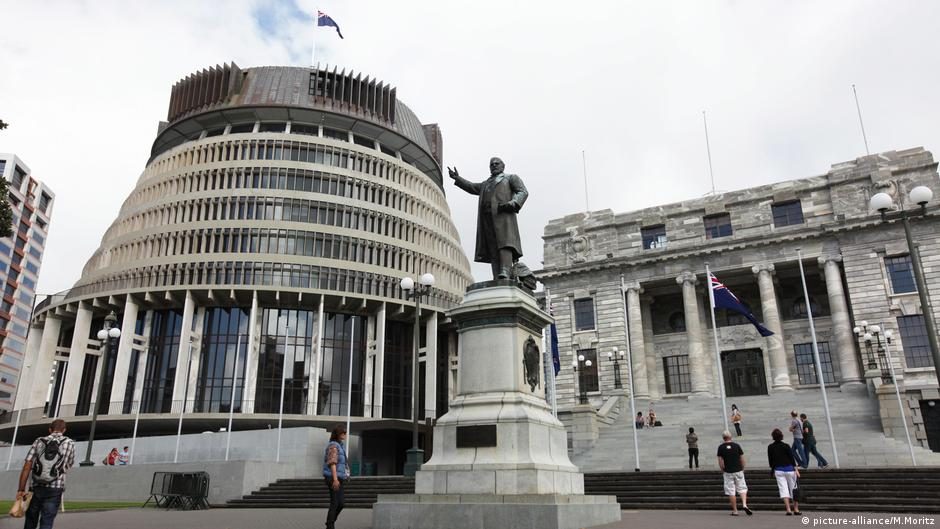
New Zealand's general election is proving to be a close contest, with early results indicating a neck-and-neck race between the incumbent center-right National Party and the opposition center-left Labour Party. More than half of the votes have been counted, and the country's strict election-day reporting laws mean that final results are awaited with keen interest to prevent last-minute voter influence.
Highlights
- Initial vote counts show both the National Party and the Labour Party at approximately 29% each.
- Key issues for voters included the rising cost of living and broader economic challenges.
- Around 1.7 million of the 3.8 million eligible voters cast their ballots early, starting from October 26, according to the electoral commission.
- New Zealand employs a mixed-member proportional system where voters select both a party and a local electoral candidate.
Details
The election took place amidst a backdrop of economic difficulties, including high prices for essential goods and the highest unemployment rates in over a decade. The contest between Prime Minister Christopher Luxon's National Party and Chris Hipkins' Labour Party was anticipated to be tight, with recent opinion polls also suggesting close results. A final poll released on Friday placed Labour slightly ahead of the National Party, but a clear governing majority for either party is not expected.
Minor parties, such as the centrist Opportunity Party, which polls suggested could exceed the 5% threshold needed to gain parliamentary seats without an electoral candidate win, may also secure representation. New Zealand's mixed-member proportional system requires voters to make two choices: a party and a local electoral candidate. This system typically determines the 120 members of parliament based on both national party votes and the success of local candidates.
Why it matters
These elections are crucial for determining New Zealand's future economic policies and addressing the cost of living. The close results between the two major parties emphasize the importance of coalition negotiations in forming a government, which will be decisive for the country's political stability in the coming period.