New Zealand Election Looms: Smaller Parties Hold the Key to Government Formation
New Zealand's upcoming general election sees a tight race between the ruling National Party and the opposition Labour Party, with neither expected to secure an outright majority, making smaller partie
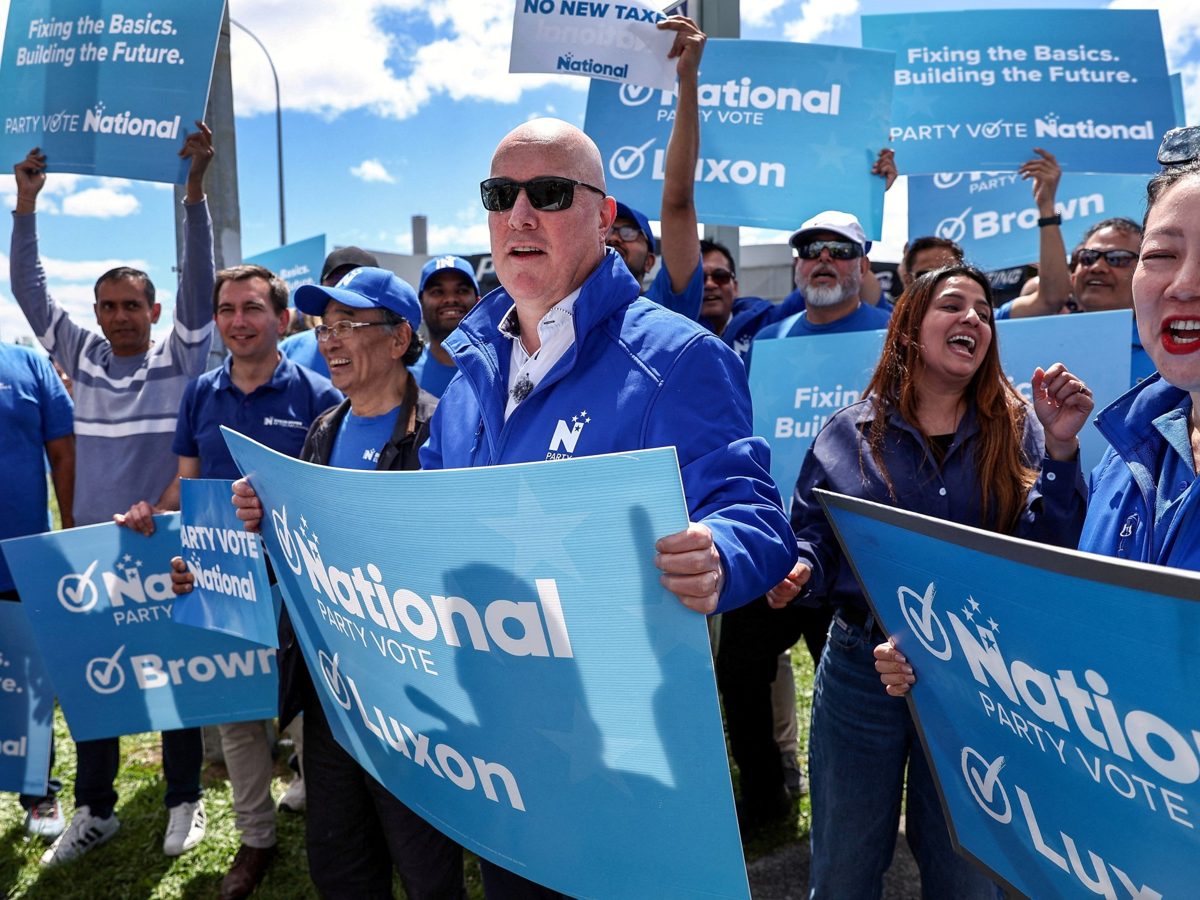
New Zealand's general election, scheduled for November 7, is shaping up to be a close contest between the incumbent centre-right National Party and the opposition centre-left Labour Party. Recent polls indicate that neither major party is on track to win enough seats to govern alone.
Due to the country's unique mixed-member proportional (MMP) electoral system, the votes and seats secured by smaller parties will play a critical role in determining which party leads the next government.
Highlights
- National and Labour in a dead heat: The two main parties are neck and neck, with polls suggesting neither will achieve a majority to govern solo.
- Smaller parties as kingmakers: New Zealand's MMP system often positions smaller parties as crucial players in forming coalition governments.
- Coalition government expected: With the exception of 2020, all governments since the MMP system's introduction in 1996 have been coalitions.
- Economy dominates campaign: Parties are focusing on economic issues such as the cost of living, healthcare, housing, and infrastructure.
- 5 percent threshold and electorate wins: A party needs either 5 percent of the party vote or one electorate win to gain seats in parliament.
Details
New Zealand holds a general election every three years. Voters cast two ballots: one for a candidate in their local electorate and one for a party. Winning candidates in each of the country's 71 electorates automatically take their seats, with approximately 49 additional seats filled from party lists to ensure proportional representation. A majority in the 120-seat parliament typically requires 61 seats.
Incumbent Prime Minister Christopher Luxon is seeking a second term, while Labour leader Chris Hipkins aims to return to the top job. Luxon's campaign focuses on fiscal discipline and returning the budget to surplus, whereas Hipkins promises cheaper healthcare and transport, along with investments in jobs, housing, and infrastructure.
Smaller parties are also campaigning on distinct platforms. The right-wing populist New Zealand First party proposes breaking up major electricity companies, while the Greens advocate for state-owned power companies and publicly owned supermarket chains. Immigration and voting rights are other key issues being debated.
Why it matters
This election will determine New Zealand's future economic and social policies. The performance of smaller parties will directly influence which major party forms the government and the composition of the ruling coalition. Crucially, if smaller parties fail to meet the 5 percent threshold or win an electorate seat, their votes may not translate into parliamentary representation, potentially altering the overall seat distribution and the ability of a bloc to form a majority. This dynamic keeps the election outcome uncertain until the very end, underscoring the vital role of smaller parties.