New Delhi's Air Quality Severely Degrades After Diwali Celebrations
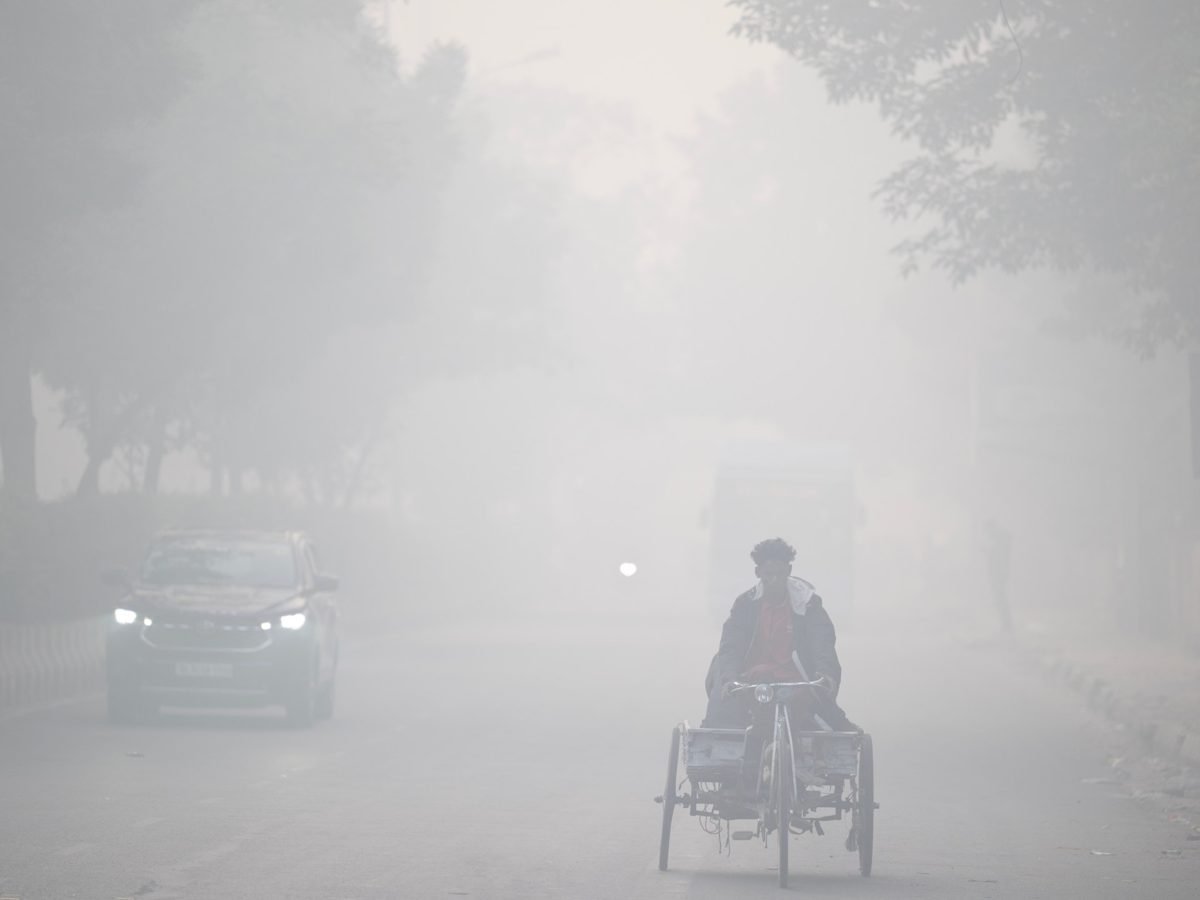
New Delhi experienced a significant drop in air quality following Diwali, with smog blanketing the city and posing health risks to over 30 million residents.
Highlights
- Air quality in New Delhi reached "severe" levels after firecrackers were set off during Diwali festivities.
- The Air Quality Index (AQI) surpassed 350 in numerous areas, indicating substantial health hazards.
- India's Supreme Court had previously imposed restrictions on firework use for the holiday.
- New Delhi consistently ranks among the most polluted capital cities globally.
- Cooler temperatures and minimal wind during winter months exacerbate pollution by trapping airborne particles.
Details
Following the Hindu festival of lights, Diwali, New Delhi was enveloped in dense smog. Despite prohibitions on fireworks, residents across the capital ignited celebratory crackers throughout Sunday evening, releasing smoke and fine particulate matter into the atmosphere. This activity significantly worsened the seasonal air pollution crisis.
On Monday morning, the Air Quality Index (AQI) in many parts of the city exceeded 350, a level deemed "severe" by World Health Organization (WHO) standards, indicating considerable health risks. Last month, India's Supreme Court had issued directives to mitigate pollution during Diwali, permitting only certified "green firecrackers" for limited durations on Saturday and Sunday. These approved fireworks generate fewer emissions but are not entirely free of pollutants.
Days before Diwali, monitoring data revealed that toxic air pollution in New Delhi was more than thirty times the daily limit advised by the WHO. Vehicular emissions contribute nearly a quarter of New Delhi's winter air contamination, while the burning of biomass, including agricultural stubble, accounts for a fifth, as reported by India's Ministry of Environment, Forest and Climate Change.
Why it matters
Home to 30 million people, New Delhi consistently faces some of the world's worst air pollution. The situation intensifies during the winter, when a combination of lower temperatures, calm winds, and stable atmospheric conditions prevents pollutants from dissipating. This leads to a persistent, thick haze that can persist over the capital and surrounding regions for days, underscoring urgent public health concerns and the need for effective mitigation strategies.