Nvidia CEO Jensen Huang Resigns Amid Espionage Allegations and Personal Affairs
Jensen Huang, co-founder and CEO of Nvidia, the leader in the AI chip market, has resigned following allegations of extramarital affairs and suspected Chinese espionage.
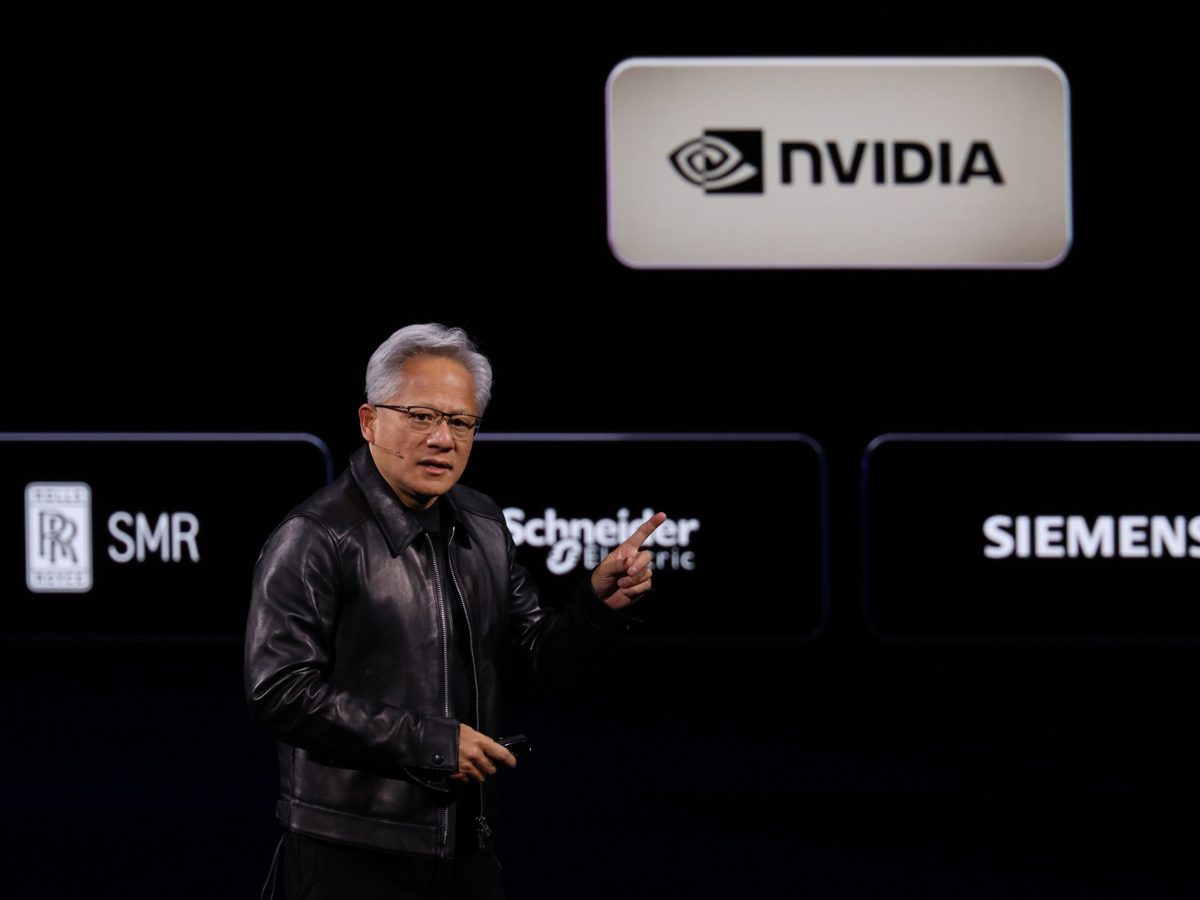
Jensen Huang, the co-founder and CEO of Nvidia, a pivotal chipmaker forming the backbone of the artificial intelligence (AI) industry, has stepped down from his position. This decision follows allegations of personal affairs and suspected Chinese espionage, which have wiped hundreds of billions of dollars from the company's market value and sent shockwaves through Silicon Valley.
Chief Financial Officer (CFO) Colette Kress has temporarily taken over as interim CEO while the search for a permanent successor is underway. These developments raise significant questions about the future of Nvidia, a company valued at nearly $4 trillion and a critical pillar of the US economy.
Highlights
- Nvidia CEO Jensen Huang resigned after reports of an affair with a Chinese businesswoman, who was allegedly a Chinese spy.
- Further allegations of affairs with two other Nvidia employees also emerged, contributing to his departure.
- The scandal led to a loss of hundreds of billions of dollars from Nvidia's market value, dragging down the S&P 500 and Nasdaq.
- Nvidia controls nearly 90 percent of the market for advanced AI chips, giving it immense influence over the global AI industry.
- The company's board is now seeking a permanent CEO, considering both internal and external candidates.
Details
According to The New York Times, US intelligence agencies suspected Alice Huang, an executive associated with Singapore-based AI infrastructure company Megaspeed International, of being tasked by China's Ministry of State Security to gather information from Jensen Huang. Jensen Huang later confirmed an intimate relationship with Alice Huang in an internal memo. Nvidia's board launched an independent investigation into whether Huang had been targeted by a foreign intelligence operation.
Beyond the affair, business links raised further concerns: Megaspeed purchased over $4.8 billion in Nvidia chips over approximately two years, and Alice Huang reportedly facilitated at least $7.5 billion in Nvidia chip shipments to Chinese firms, sparking questions about circumventing US export controls. Subsequent reports of alleged affairs between Jensen Huang and Kimberly Powell, Nvidia's vice president of healthcare, and another unnamed Nvidia employee, accelerated his departure.
Following these events, shares of AI-linked companies in China tumbled, with Z.AI's shares falling over 10 percent and rival MiniMax hitting record lows. Nvidia's shares, after losing approximately 11 percent of their value up to Huang's exit, rose 1.8 percent in premarket trading on Friday.
Why it matters
Nvidia's control of nearly 90 percent of the advanced AI chip market makes it crucial for the infrastructure of the modern AI industry. The leadership crisis at the company could have widespread repercussions for the global AI sector, as tech giants like Microsoft, Google, Amazon, and Meta rely heavily on Nvidia hardware for their AI data centers. This situation is also closely tied to US restrictions on chip sales to China and national security concerns. Analysts suggest that Huang's departure could slow down the company's strategic deals and growth trajectory in the near term.