Global Gender Gap Progress 'Fragile' Amid Declining Political Representation
According to a new World Economic Forum report, two decades of progress towards gender parity are at risk due to a decline in women's political representation.
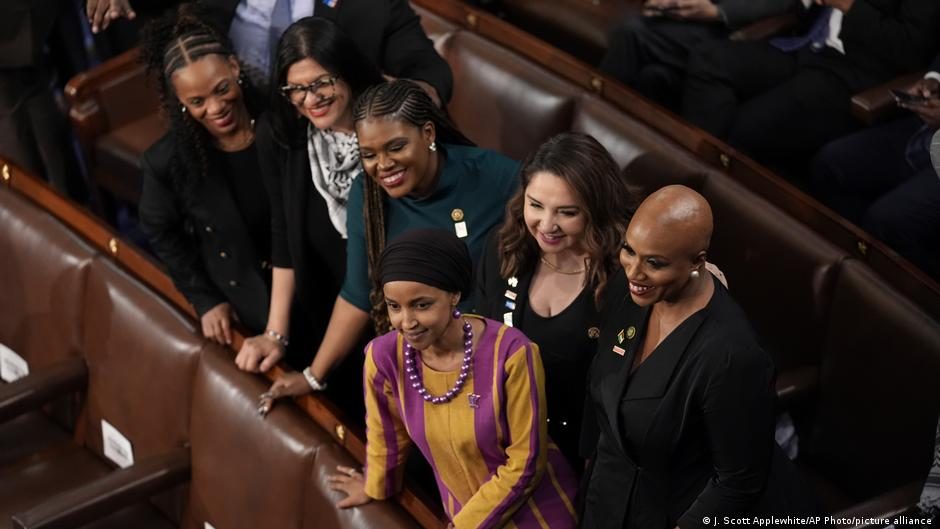
The 2026 Global Gender Gap Report, published by the World Economic Forum (WEF), reveals that two decades of progress toward gender parity are fragile due to a decline in women's political representation. At the current pace, achieving full parity could take 120 years.
The report indicates that global gender parity is closer than ever, standing at 69.2%. However, the WEF warns that this progress remains "fragile" and stresses the need for governments and employers to learn from and apply effective policies more rapidly.
Highlights
- Global gender parity has reached a record 69.2%, but full parity may still be 120 years away.
- Women's political leadership peaked in 2022 and has since fallen back to 2016 levels.
- Women remain underrepresented in roles with significant economic and political influence, holding less than a fifth of CEO positions and only one in ten ministerial roles.
- In the artificial intelligence (AI) sector, women constitute less than one in five AI engineers and are underrepresented at all levels of AI firms.
- Iceland leads the ranking for the 17th consecutive year, having closed 93% of its gender gap, followed by Finland and Norway.
Details
The report examined gender parity across workforce participation, education, health, and politics in 145 economies. While women's presence in senior leadership positions in government and business has grown since 2006, this trend has reversed in politics over the past decade. The percentage of countries led by women peaked in 2022 before declining to 2016 levels.
WEF Managing Director Saadia Zahidi cautioned that while parity is a foundation for growth and competitiveness, it is "not inevitable." The report highlights that women are still underrepresented in roles with the greatest economic and political influence. For instance, despite a 26% increase in ministerial roles held by women since 2008, only one in ten of these roles is considered high-influence, a share that has remained virtually unchanged.
The United States dropped five places to 47th, closing 74.9% of its gender gap. India remains at 131st place, while China rose seven places to 96th. In Sub-Saharan Africa, Namibia leads the way, climbing to 4th place globally with 84.5% parity. Other African nations like Kenya, Ghana, and Angola also saw significant improvements in their rankings.
Why it matters
This report underscores the fragility of progress towards gender equality and the critical issue of declining political representation for women globally. The insufficient presence of women in decision-making roles can negatively impact sustainable development and economic growth objectives. Specifically, the underrepresentation of women in future-oriented sectors like artificial intelligence could limit innovation and inclusivity potential in these crucial areas.