Ebola Cases in DR Congo Exceed 11,000, With 5,387 Deaths
The Democratic Republic of Congo (DRC) is grappling with its largest Ebola outbreak to date, with confirmed cases reaching 11,042 and 5,387 fatalities.
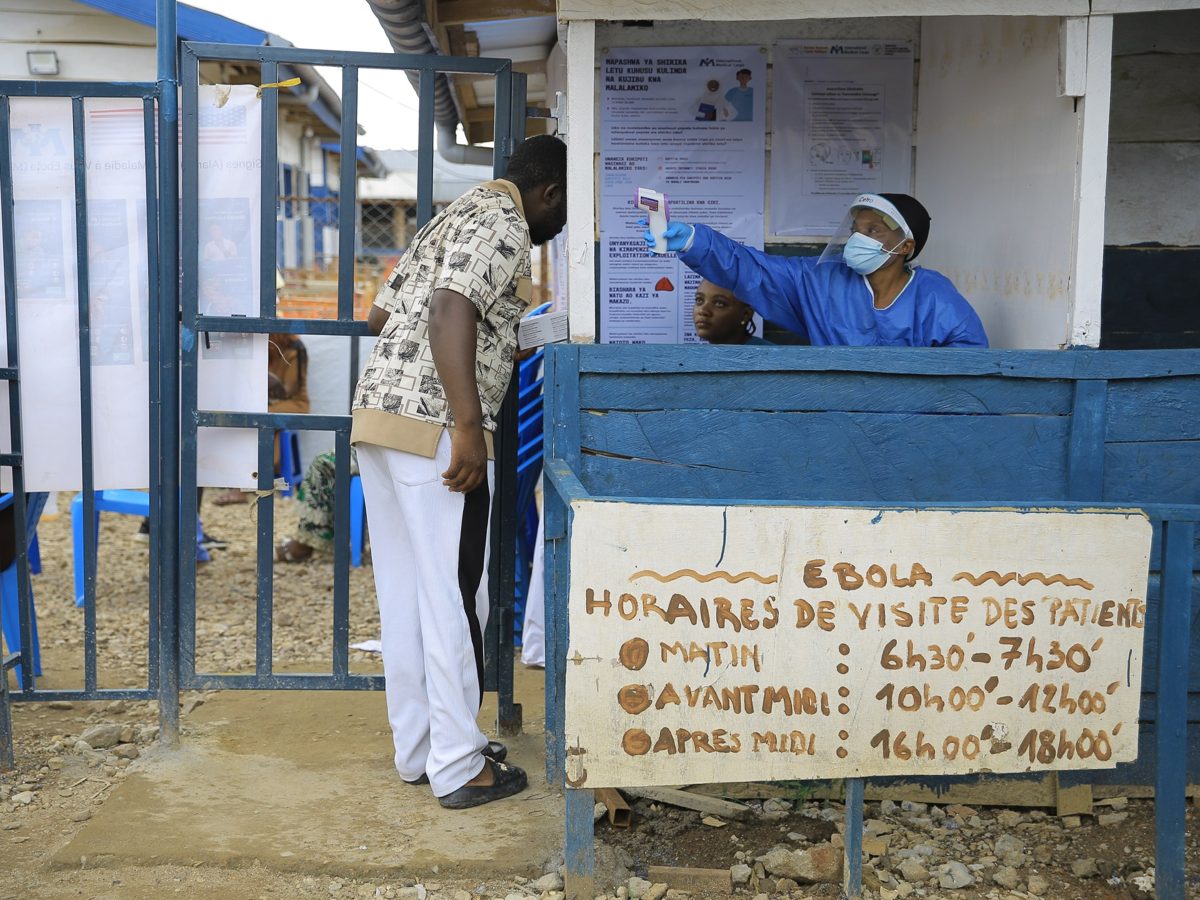
The Democratic Republic of Congo (DRC) is facing its largest and deadliest Ebola outbreak in history, with confirmed cases now totaling 11,042 and at least 5,387 deaths. Authorities are struggling to contain the spread of the virus, attributing the challenges to delayed detection, ongoing conflict, and strained health services.
Highlights
- The current Ebola outbreak in the DRC is the country's largest and most fatal to date.
- A total of 11,042 cases and 5,387 deaths have been recorded.
- The outbreak is caused by the rare Bundibugyo strain of the Ebola virus.
- Delayed detection, conflict, and inadequate health services contribute to the rapid spread.
- This outbreak marks the widest geographic spread of any Ebola outbreak on the African continent.
Details
This outbreak in the DRC is now the second-largest and second-deadliest Ebola outbreak on record, surpassed only by the 2014-2016 West African epidemic, which infected over 28,600 people and killed more than 11,000. Eight of the DRC's 26 provinces have been affected by the current outbreak, and a significant number of deaths have occurred outside formal treatment centers.
Containment efforts have been particularly challenging because there is no specific vaccine or treatment developed for the Bundibugyo strain, which has a fatality rate of approximately 50 percent. Earlier this month, the World Health Organization (WHO) approved clinical trials for two new Ebola vaccines, with results anticipated in early 2027.
Why it matters
The Ebola outbreak in the DRC is a significant global health concern, not only due to the high number of cases and fatalities but also because of the virus's wide geographic spread and the difficulties in containing it. This outbreak, caused by a rare strain, highlights the fragility of existing health infrastructures and the immense challenges of managing epidemics in conflict-affected regions. The outcomes of new vaccine trials are crucial for future responses to similar outbreaks.