Arab Parties Emerge as Key Players in Inconclusive Israeli Election
In the recent Israeli general election, Arab-led parties gained significant influence, contributing to Prime Minister Netanyahu's government losing its majority.
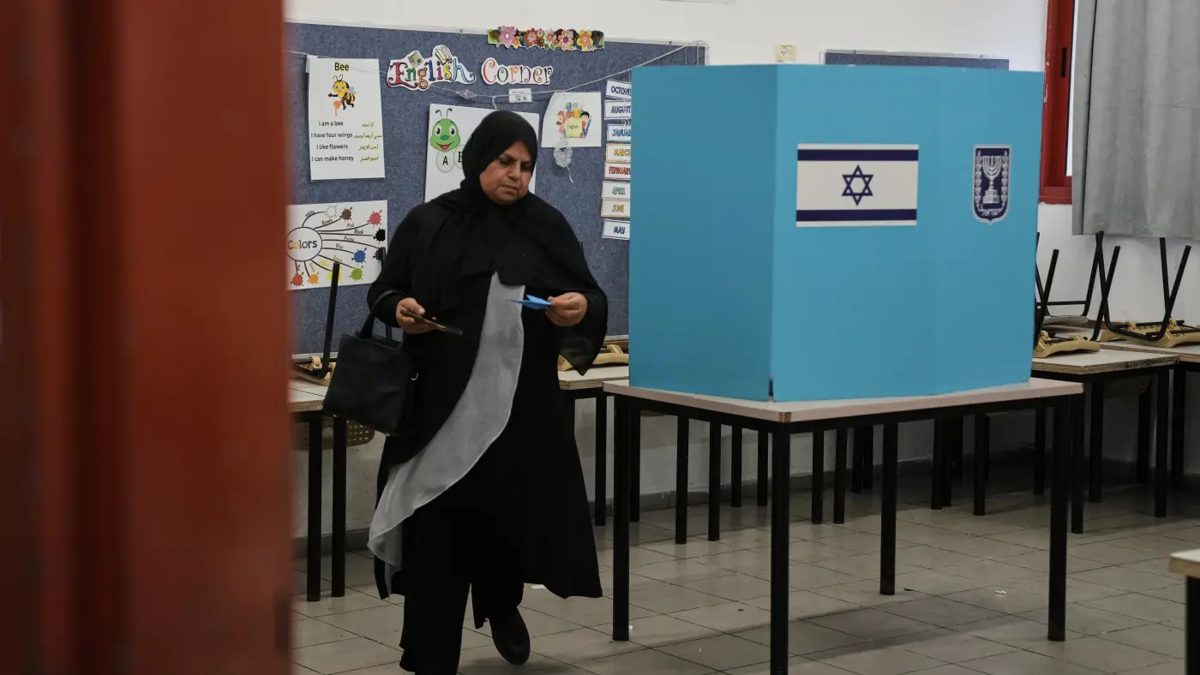
In the general elections held in Israel on October 27, 2026, Arab-led parties made an unexpected surge, causing Prime Minister Benjamin Netanyahu's far-right government to lose its parliamentary majority. This development has positioned Arab parties as crucial actors in the upcoming government formation negotiations in Israeli politics.
Highlights
- Palestinian citizens of Israel participated in record numbers compared to previous elections, boosting anti-Netanyahu votes.
- Arab parties secured 19 seats out of 120 in the Knesset, preventing both Netanyahu's coalition and his main challenger Gadi Eisenkot's center-right opposition from reaching the 61-seat threshold needed to form a government alone.
- These results reignite decades-long questions about how Israel defines itself and the role of Palestinian Arabs in its society.
- Netanyahu's party targeted Arab turnout with claims of election irregularities, but these were dismissed by police and election officials.
Details
Palestinian Arabs in Israel had largely shunned elections in recent years, believing there was little to gain from participating in the politics of a state they felt marginalized them. However, a sharp rise in discrimination against Palestinians in Israel since the Hamas attacks on October 7, 2023, and the ongoing war in Gaza, motivated many Arab voters to cast their ballots. Intisar Sarsur from Kufr Qasim stated, "There is no freedom anymore. We are seeking for our basic rights as human beings," explaining the reason for the increased participation.
The election results stirred anger and fear among many on Israel's political right. Netanyahu and his allies framed the high Arab turnout as an "emergency," calling for the country to "remain Jewish and Zionist." The Likud party claimed Arab parties had "stolen" the election, but these allegations were unsubstantiated and dismissed by officials.
Currently, Arab parties are divided on how to leverage their newfound power. The conservative Islamist Ra'am party campaigned on joining a governing coalition, while the Joint List alliance, which won 11 seats, indicated they might support an Eisenkot government from the outside but would not formally join it, citing the ongoing war in Gaza and the occupation of the West Bank.
Why it matters
These elections highlight the growing influence of Palestinian Arab citizens in Israeli politics and demonstrate their critical role in determining the country's future political direction. The support of Arab parties is vital for forming a government, which could lead to significant changes in Israel's domestic and foreign policies. If a coalition cannot be formed, there is a possibility of repeat elections next year.