South Sudan Postpones First National Elections Until February
South Sudan has delayed its first-ever presidential and parliamentary elections from December 22 this year to February 11 next year.
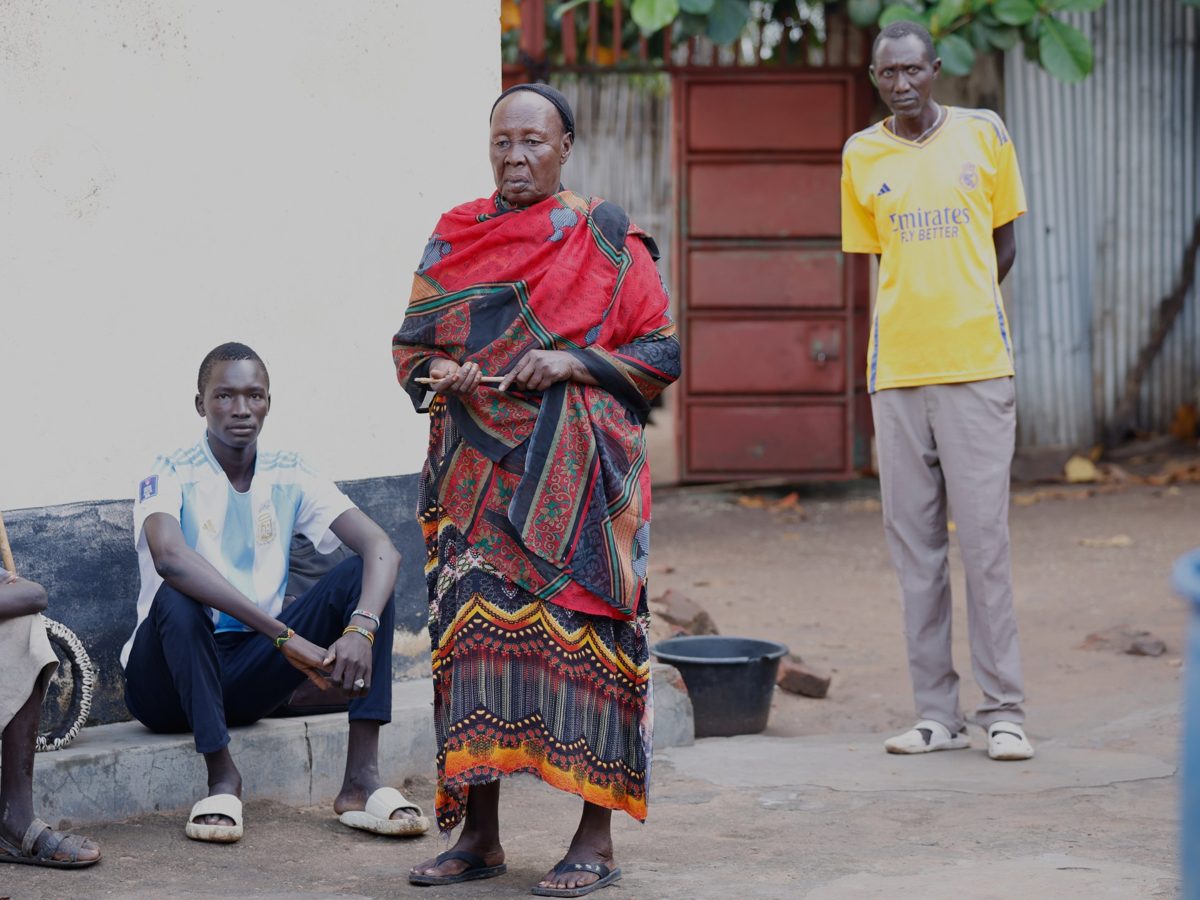
South Sudan has postponed its first-ever presidential and parliamentary elections from December 22 this year to February 11 next year. This announcement by the Election Commission marks the latest in a series of delays for the long-awaited vote, occurring amidst deepening ethnic and political tensions in the country.
The nation, which had initially aimed for elections in 2022, has now delayed the vote at least three times. No specific reason was provided for this most recent postponement.
Highlights
- South Sudan's inaugural national elections have been pushed from December 22, 2026, to February 11, 2027.
- The Election Commission did not offer a reason for the delay.
- The country continues to face violence despite a 2018 peace deal.
- In September, President Salva Kiir dissolved the transitional government and appointed a caretaker administration.
- The head of the UN Human Rights Commission in South Sudan described this move as a "constitutional coup."
Details
As the world's youngest country, South Sudan continues to grapple with violence despite a 2018 peace agreement that ended five years of civil war. The elections, initially anticipated in 2022, have been repeatedly delayed since then. In September, President Salva Kiir dissolved the transitional unity government and appointed a caretaker administration. This step allowed the country to proceed towards elections without first completing a permanent constitution or census.
However, analysts and watchdogs warned that this move dismantled a key power-sharing arrangement, consolidating power in Kiir's hands and increasing the risk of renewed widespread conflict. Yasmin Sooka, chair of the United Nations Commission on Human Rights in South Sudan, stated in October that this amounted to a "constitutional coup through legislative reforms." In recent months, there have been escalating and deadly confrontations between Kiir's government forces and followers of the detained former Vice President Riek Machar.
According to Gabriel Bol Deng, chairman of the National Elections Commission, a total of 3,161 registration centers have been established across the country, with over 22,000 staff recruited for the operation. The World Bank reports that approximately 90 percent of South Sudan's 15 million inhabitants lack state-recognized identification. This complicates the registration process, particularly for those in rural areas. Deng stated that these individuals would be identified by community leaders and issued an "identification form" to enable them to vote.
Why it matters
The postponement of elections in South Sudan could negatively impact the country's fragile political stability and peace process. The escalation of ethnic and political tensions has the potential to trigger a new cycle of conflict. The inability to conduct transparent and inclusive elections could pose serious obstacles to the country's future democratization efforts and raise concerns within the international community.