South African Olympic Swimmer Tatjana Smith Switches Allegiance to Netherlands
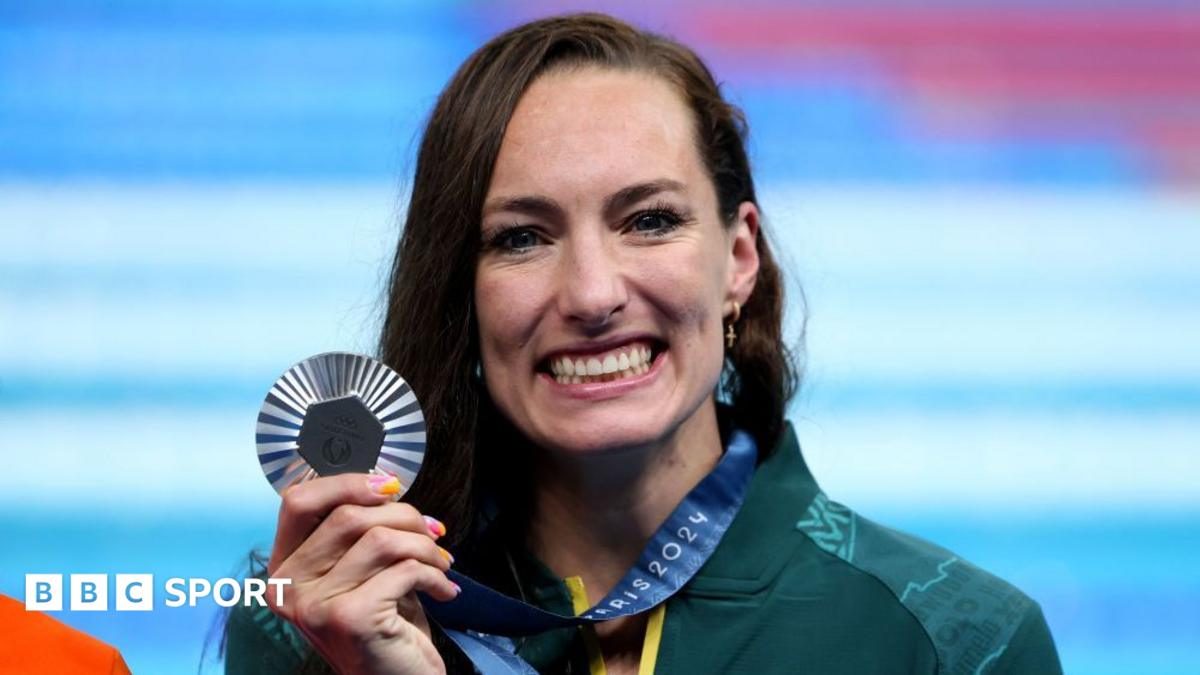
Tatjana Smith, South Africa's most decorated Olympian, tearfully announced her decision to switch allegiance and compete for the Netherlands. The 29-year-old swimmer had retired after the Paris 2024 Games but came out of retirement in September. Smith aims to compete in the 50m breaststroke event, which will make its Olympic debut at the 2028 Los Angeles Games.
Highlights
- Tatjana Smith won a total of four Olympic medals for South Africa, including two golds and two silvers.
- She plans to represent the Netherlands in the 50m breaststroke at the 2028 Los Angeles Games.
- Smith stated that the switch allows her to explore her Dutch identity and heritage, while also offering better high-performance support and a more sustainable career.
- South Africa's Ministry of Sport, Arts and Culture acknowledged that Smith's choice is her own and should not be politicized.
Details
Wiping away tears, Tatjana Smith read a letter addressed to South Africa, stating that "dreams can change as we grow." She explained that she has "always been Dutch and South African" and that this move provides an opportunity to "explore another part of my identity and heritage that I've never experienced through sport." Furthermore, she cited "greater high-performance support and the potential to build a more sustainable career" as reasons, noting that "the financial and practical challenges of swimming were among the reasons my previous career became difficult to sustain."
Smith had previously mentioned that financial worries, including a dispute with Swimming South Africa over prize money, contributed to her initial decision to step away from the sport. She secured four world and Commonwealth gold medals between 2018 and 2023. At the Tokyo 2021 Olympics, she won gold in the 200m breaststroke and silver in the 100m, adding 100m gold and 200m silver in 2024.
Why it matters
The decision of one of a nation's most accomplished athletes to represent another country, driven by the pursuit of career longevity and improved support, highlights the financial and structural challenges faced by athletes. This situation raises important questions about whether sports federations, particularly in developing nations, provide adequate support to their athletes. It also underscores the freedom of athletes to embrace multiple identities and heritages within the context of their sporting careers.