Ousted Bangladeshi Leader Sheikh Hasina Seeks Return, Faces Execution Threat
Former Bangladeshi Prime Minister Sheikh Hasina, sentenced to death in absentia, has requested a new passport to return home, sparking political debate and diplomatic tension.
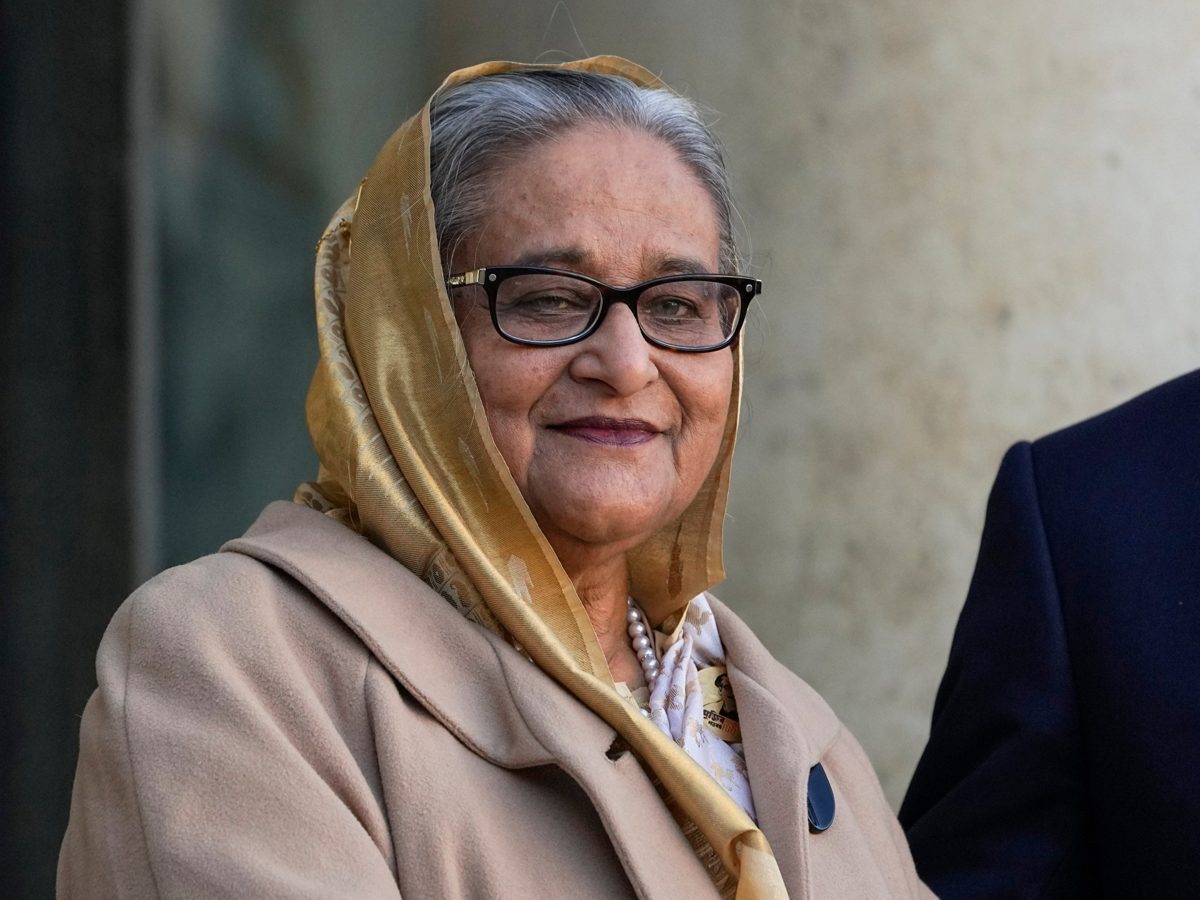
Highlights
- Sheikh Hasina, Bangladesh's former leader, was condemned to death last year in absentia for her role in suppressing the 2024 uprising, which resulted in over 1,400 fatalities.
- The current Bangladeshi government has rejected her passport application and challenged her to seek extradition from India.
- Analysts largely view Hasina's desire to come back as a calculated political maneuver aimed at maintaining influence within her party.
- India, a long-term ally, is reportedly weighing the diplomatic implications of continuing to host Hasina.
Details
Sheikh Hasina, the former leader of Bangladesh, who has been in India for more than two years since being displaced by a popular revolt, has applied for a new passport, indicating her intention to return to Bangladesh. The 79-year-old was handed a death sentence in absentia on charges of crimes against humanity, specifically for her involvement in a severe crackdown on student-led demonstrations in 2024. Hasina, however, refutes these accusations. The Bangladeshi government has dismissed her passport request, with State Minister for Foreign Affairs Humaiun Kobir stating that the nation does not issue travel documents to individuals accused of causing widespread casualties and fleeing. Kobir added that Bangladesh intends to pursue her handover through existing extradition agreements with India.
Md Aminul Islam, the Bangladeshi prosecutor instrumental in securing Hasina's death sentence from the International Crimes Tribunal in Dhaka, has affirmed that the verdict will be carried out if she steps foot back in the country. This move by Hasina, whose current identification documents have been revoked, has prompted speculation among political observers. Many question whether she genuinely plans to return and face legal consequences or if this is a strategy to reinvigorate her political standing from her self-imposed exile. Zillur Rahman, president of the Centre for Governance Studies, a Dhaka-based think tank, suggests that Hasina's passport application is more about her desire to remain politically relevant and retain control of her Awami League party rather than an immediate plan to return.
Retired U.S. diplomat Jon F Danilowicz, who previously served in Dhaka, expressed skepticism, stating there is "zero chance" of Hasina's return in December, viewing it as a tactic to mobilize supporters and counter perceptions of her diminishing relevance. Faiz Sobhan, senior research director at the Bangladesh Enterprise Institute, echoed this sentiment, believing the announcement aims to boost the morale of her party, which is currently banned and has many leaders imprisoned or in exile. Sobhan finds an actual return improbable, given that it would likely lead to her execution or life imprisonment.
Why it matters
Sheikh Hasina's declared intention to return to Bangladesh could significantly escalate political tensions within the nation. At a time when the country is striving for stability following the 2024 uprising, her presence might trigger further internal unrest. Furthermore, India's continued provision of refuge to Hasina is straining diplomatic relations between the two countries, potentially impacting regional dynamics and stability. The situation underscores the complex interplay of domestic politics and international relations in South Asia.