US Supreme Court Rejects Trump's Mail Ballot Restrictions
The US Supreme Court has rejected former President Trump's attempt to tighten mail-in voting regulations, a move impacting the upcoming midterm elections.
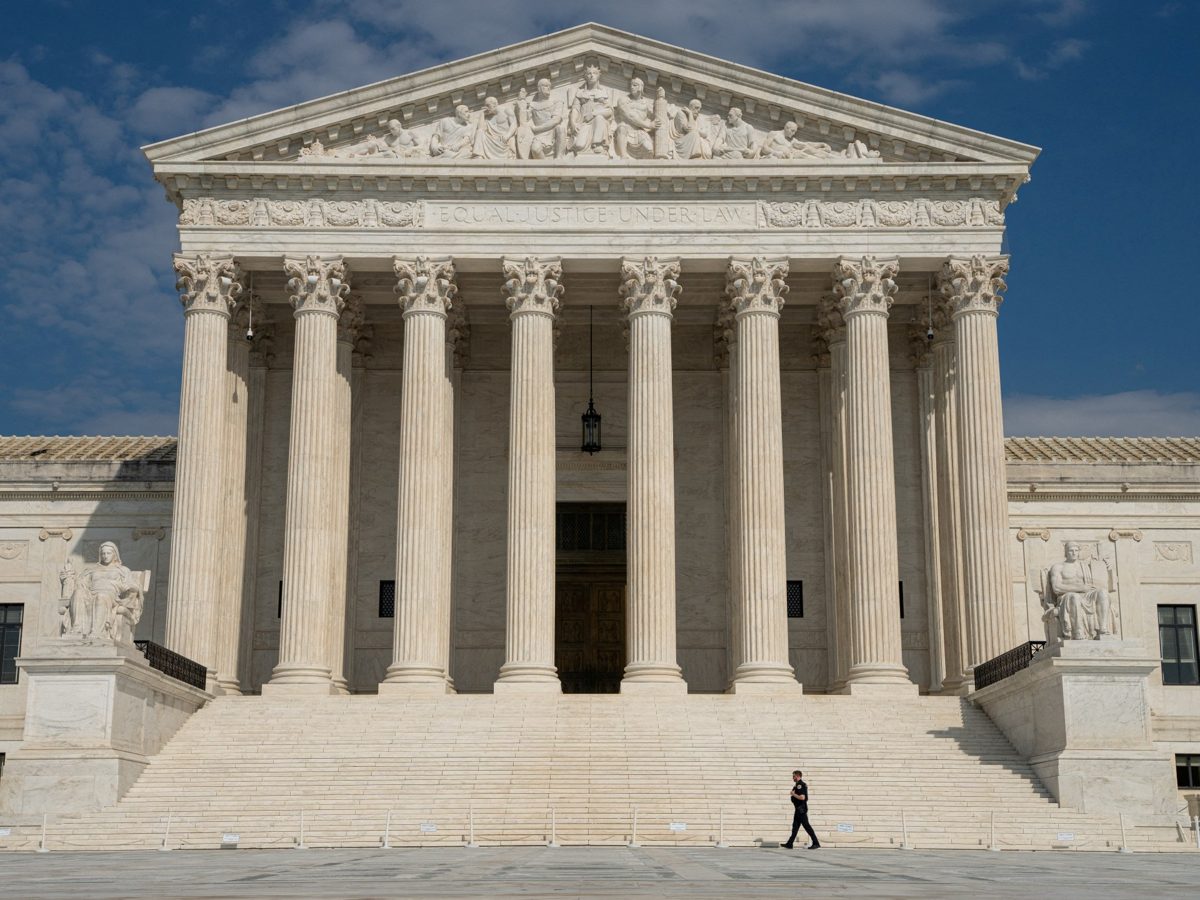
Highlights
- The Supreme Court declined to overturn a lower court's injunction against the proposed mail-in ballot rules.
- These rules, initiated by the Trump administration, aimed to mandate states provide recipient lists and use agency-approved envelopes for mail ballots.
- A district judge had previously blocked the measure, citing potential constitutional violations and impracticality given the approaching elections.
- The administration had argued the policy was crucial for preventing voter fraud, a claim consistently made by former President Trump.
- Critics warned that implementing the restrictions could impede ballot delivery and disenfranchise numerous voters who rely on mail-in methods.
Details
In a significant decision, the US Supreme Court has rejected former President Donald Trump's initiative to impose stricter regulations on mail-in voting. The conservative-leaning court opted not to lift an existing order from a federal district judge that had halted the enforcement of these new rules. The judicial decision represents a setback for Trump's attempts to modify voting procedures in the lead-up to the crucial November midterm elections.
The proposed regulations, which stemmed from an executive order signed by Trump, would have required state election officials to furnish lists of mail ballot recipients to the US Postal Service (USPS) and ensure that all ballot envelopes received prior approval from the agency. The USPS would have then been empowered to reject ballots that did not meet these new criteria or were not linked to registered voters on the provided lists. The district judge initially blocking the rule stated that it likely infringed upon the US Constitution and would be unworkable so close to the midterm elections. The Supreme Court's unsigned order indicated that the administration's legal challenge was "unlikely to succeed on the merits."
Why it matters
This ruling is particularly significant for voters, especially in states where voting by mail is a prevalent practice, often in Democratic-leaning areas. Opponents of the proposed restrictions had voiced concerns that such measures could hinder the timely delivery of a large volume of ballots and effectively remove voting rights from various groups. Former President Trump has frequently expressed skepticism regarding the integrity of mail-in voting, propagating unsubstantiated allegations of widespread electoral fraud, despite having utilized mail-in ballots himself.