US Scraps Greenhouse Gas Rules for Power Plants
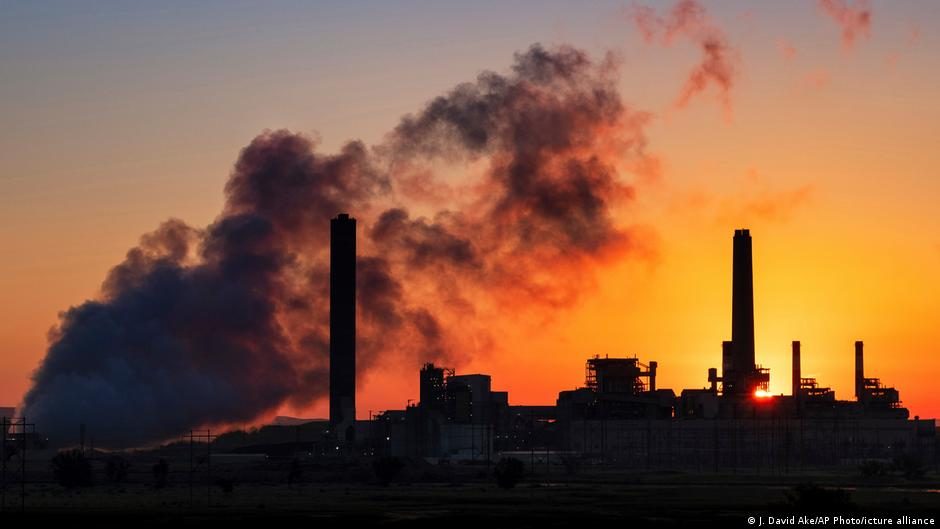
The US Environmental Protection Agency (EPA) has announced it is repealing Biden-era limits on greenhouse gas emissions from power plants. The agency described this move as the "largest power sector deregulation action ever." The Trump administration has thus taken another step in dismantling regulations aimed at curbing climate change.
Highlights
- The EPA has revoked Biden-era standards, introduced in 2024, which required existing and new power plants to reduce carbon emissions by up to 90% or shut down by 2039.
- EPA Administrator Lee Zeldin characterized this action as "cutting the red tape" and refusing to yield to "climate alarmism."
- This decision not only rolls back initiatives from previous Democratic administrations but also aims to halt future greenhouse gas regulations affecting the power sector.
- The EPA anticipates that coal production for the power sector will increase more than tenfold following this repeal.
- Environmental organizations have criticized the decision, arguing it prioritizes fossil fuel industry profits over public health.
Details
The Trump administration has scrapped limits on carbon emissions from coal and gas-fired power plants. EPA Administrator Lee Zeldin, speaking at a G20 energy ministers' meeting, stated, "Today, we are cutting the red tape to deliver the largest power sector deregulatory action ever." Zeldin emphasized that the EPA would not "bend the law to climate alarmism and climate radicalism."
The repealed rules were introduced by the Biden administration in 2024 under the Clean Air Act. These regulations mandated that power plants reduce carbon dioxide emissions by up to 90% or cease operations by 2039. Electricity generation accounts for approximately a quarter of the country's greenhouse gas emissions. The EPA claims that Americans will see a decrease in electricity prices as a result of this decision.
Why it matters
This decision represents a significant retreat from the US's commitments to combat climate change. An increase in greenhouse gas emissions will make it harder to achieve global warming targets and could exacerbate environmental consequences. Environmental organizations contend that this move supports the fossil fuel industry at the expense of public health and well-being, indicating they will pursue legal action.