Rise of Economic Populism in the Democratic Party After US Midterm Elections
The recent US midterm elections indicate a rise in economic populism within the Democratic Party, suggesting the party's potential to refocus on working-class voters.
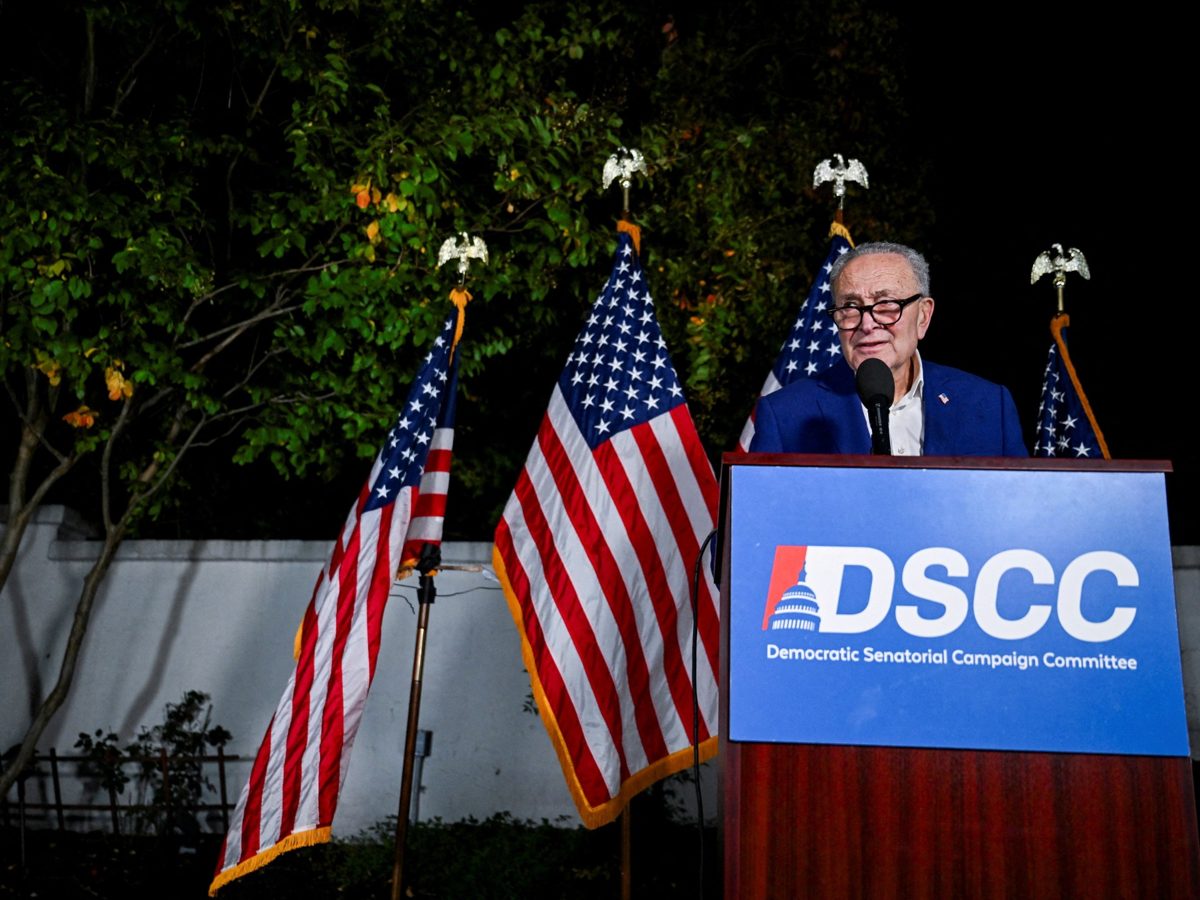
The recent midterm elections in the United States, while interpreted by many as a rejection of "Trumpism," are not necessarily seen as a newfound affection for the Democratic Party. However, this election cycle shows promising signs that the party has performed significantly "less poorly."
This shift within the party is particularly evident in the proliferation of economic populist candidates. These candidates have explicitly challenged powerful corporations and positioned themselves as advocates for working-class people. This development offers a glimmer of hope that the party might seize a historic opportunity.
Highlights
- The 2026 midterm elections were seen as a reaction against "Trumpism," giving the Democratic Party another chance.
- There was a significant increase in economic populist candidates within the party, targeting the working class.
- Trump's second term presidency eroded faith in Democratic Party leadership, prompting a reevaluation of party strategies.
- The successful "affordability" focused mayoral campaign of Democratic Socialist Zohran Mamdani in New York demonstrated the effectiveness of populist messages.
- Figures like Bernie Sanders and Alexandria Ocasio-Cortez energized the base with their "Fighting Oligarchy" tours.
Details
The roots of this populist movement within the Democratic Party can be traced back to the "Tea Party" movement that emerged after the 2008 financial crisis. On the left, the "Occupy Wall Street" movement highlighted issues of inequality. Senator Bernie Sanders' 2016 presidential campaign brought this message to the electoral arena, but the left's electoral capacity became more pronounced with the election of Alexandria Ocasio-Cortez (AOC) and "the Squad" in the 2018 midterms.
Over the past decade, independent progressive organizations such as Justice Democrats, the Working Families Party, and Democratic Socialists of America have supported working-class candidates, breaking the Democratic Party establishment's virtual monopoly on candidate recruitment. The 2026 midterms saw a significant increase in the capacity to run working-class champions for Congress. This occurred not only through organizational investment but also through a profound shift in common-sense notions of what constitutes a winning message.
Trump's second term victory severely undermined Democratic voters' faith in party leadership. This exposed the baselessness of claims that Bernie Sanders was "too far left" or "unelectable." The party's loss of working-class, Black, and Latino voters revealed the bankruptcy of the leadership's strategies. In 2025, Zohran Mamdani's "affordability" themed mayoral campaign and victory in New York proved how effective economic populism could be.
Why it matters
The results of these midterm elections do not signify an unwavering loyalty of US voters to the Democratic Party. However, the party has been given another chance to deliver on its promises and improve people's lives. By moving towards an economic populist agenda and demonstrating a commitment to America's working class, the Democratic Party is believed to be starting to find its popular voice again. This could be crucial for the party's success in future elections.