Nintendo's Main ROM Chip Supplier Exits Gaming Business
Macronix, Nintendo Switch's primary ROM chip supplier, announced its withdrawal from the gaming sector due to profitability concerns.
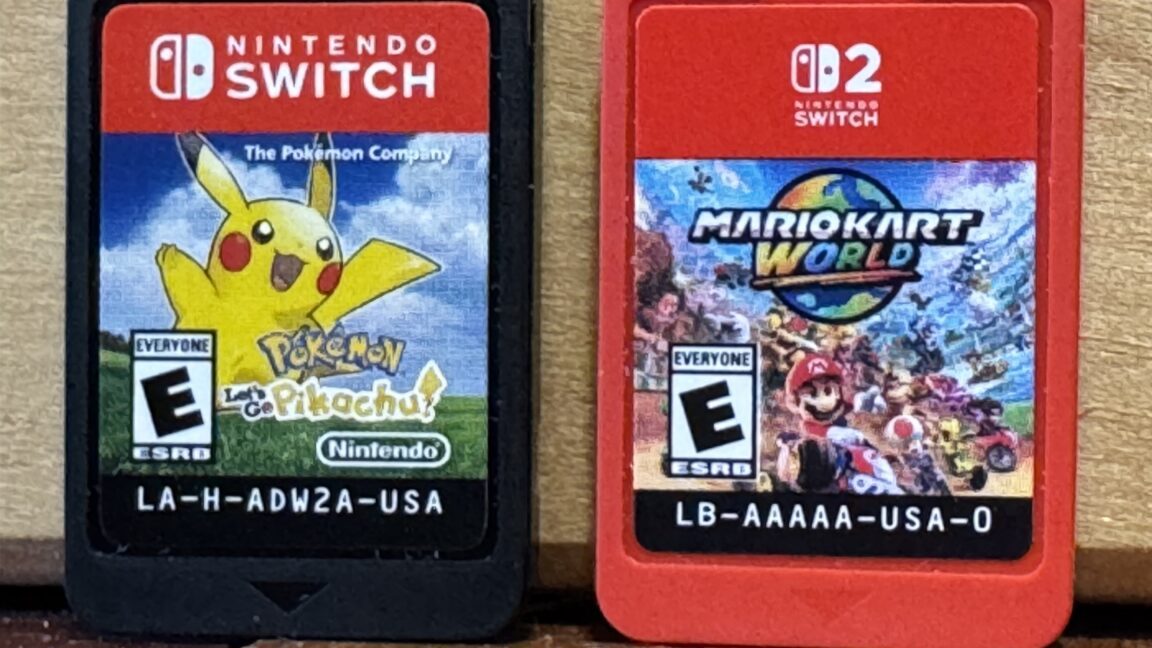
Macronix, a key supplier of ROM chips for Nintendo Switch and the upcoming Switch 2 physical game cartridges, has announced its gradual withdrawal from the gaming industry. The company stated it will focus on more profitable chip production, driven by the high demand for memory in the AI industry. This move could impact the production costs of physical Nintendo games.
Highlights
- Macronix revealed in its third-quarter earnings report that it will cease ROM chip production and gradually decouple from the gaming sector.
- The decision stems from the declining profitability of ROM chip production, which now accounts for only 5 percent of Macronix's business.
- The AI industry's memory demands are pushing Macronix towards higher-margin NOR- and NAND-based memory chips.
- Analysts note that Macronix is Nintendo's "main memory chip maker" for physical game cartridges.
- This shift could increase the production costs of physical Switch game cartridges, potentially affecting retail prices.
Details
Macronix reported a 39 percent decrease in ROM chip production over the past year, now representing a minor portion of its total operations. The company's production capacity is limited to 25,000 12-inch wafers per month, with planned new capacity taking over a year to become operational. Consequently, less profitable ROM chips are being phased out in favor of more in-demand chips used in sectors like AI.
While Nintendo has stated it has no immediate plans to abandon physical game cartridges, Macronix's departure may force Nintendo to rely more heavily on other suppliers like Rohm and Lapis Semiconductor. This increased reliance could drive up manufacturing costs, potentially leading to higher game prices. Nintendo has previously charged more for some physical games compared to their digital counterparts.
Why it matters
This development could have significant implications for physical game collectors and Nintendo players. Increased production costs may result in higher retail prices for physical games. However, analysts point out that digital software sales already constitute 61.5 percent of Nintendo's business, and if this trend continues, reduced demand for ROM-based cartridges might eventually balance out the increased costs.