SpaceX Successfully Lands Starship Rocket: A Major Step Towards the Future
SpaceX successfully landed the Starship rocket's upper stage onto its launch tower, marking a significant milestone in developing fully reusable space vehicles.
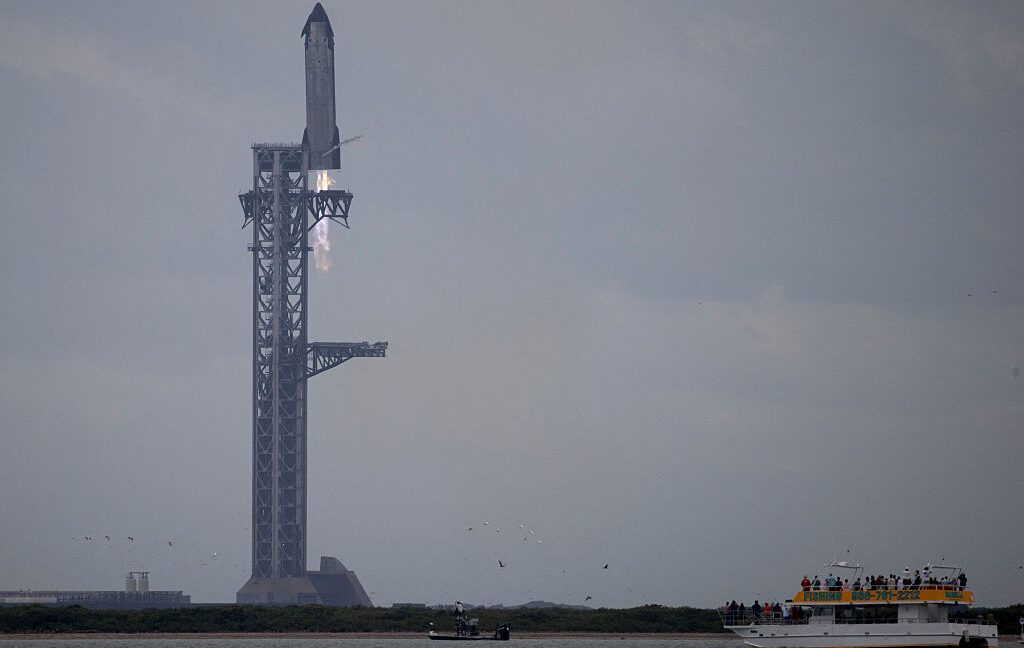
SpaceX successfully landed the upper stage of its Starship rocket back onto its launch tower in Texas on Saturday, November 15. This achievement is seen as a critical step towards the company's goal of developing a fully reusable space vehicle. The rocket approached horizontally after its orbital flight, then pitched vertically at the last moment to be caught by specially designed tower arms.
This success has the potential to drastically reduce the cost and increase the frequency of space travel. SpaceX has previously impressed with rocket landings on barges and returning humans to space with Crew Dragon, but the Starship's capture by the tower represents a new level of technological advancement.
Highlights
- The Starship upper stage successfully landed on its launch tower in Texas after an orbital flight.
- The rocket executed a complex maneuver, pitching vertical at the last moment to be caught by specialized tower arms.
- This landing signifies major progress in SpaceX's goal of developing a fully and rapidly reusable rocket system.
- The achievement holds the potential to lower space travel costs and increase launch frequency.
- The company aims for these types of landings to become routine in the future.
Details
The return of Starship from orbit and its capture by the tower was an extremely challenging engineering feat. The rocket transitioned from horizontal to vertical in mid-air, being caught by tower protrusions only about one foot long. This precise maneuver required solving millions of different, complex technical problems.
NASA's Space Shuttle program in the 1970s also aimed for reusable spacecraft. However, the shuttles landed as gliders without igniting their engines, and their heat shields required painstaking refurbishment after each flight. The Shuttle program's initial cost target of $25 per pound escalated to closer to $25,000 per pound. SpaceX aims to significantly reduce these costs with Starship.
At SpaceX's Starbase facility, there are currently five Starships in advanced stages of development, with components for a dozen more being manufactured. The company can currently produce a Starship upper stage at its South Texas Starfactory every three weeks and plans to reduce this to every three days. While Elon Musk's targets seemed 'mad' years ago, they are now considered realistic.
Why it matters
This achievement holds transformative potential for the future of space travel. Fully reusable rockets can radically lower the cost of accessing space, fundamentally changing humanity's relationship with the heavens. SpaceX aims to conduct hundreds, even thousands, of launches per year within a few years. This could open new doors in areas from space tourism to sending humans to Mars, making space far more accessible.