UK Textile Waste Transforms into Next-Gen Fabrics
Recycling firms in the UK are converting textile waste and leather offcuts into new, sustainable fabrics used by major brands like Dr Martens and Coach.
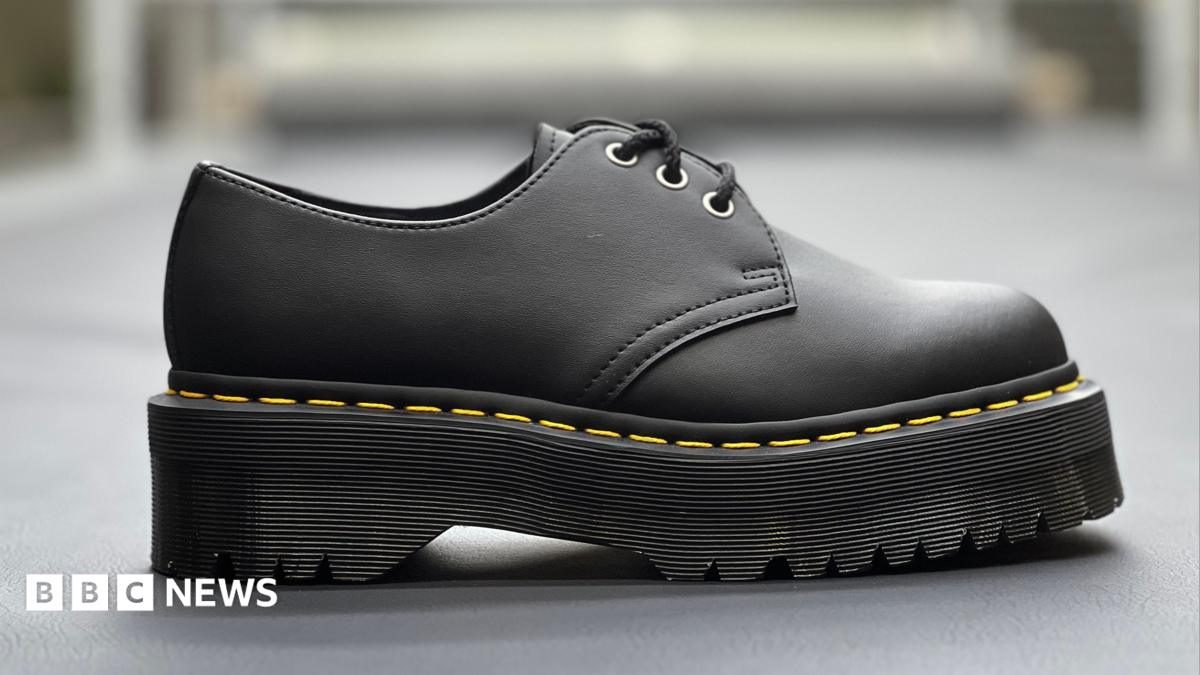
Recycling companies in the UK are transforming thousands of tons of textile and leather waste, which would otherwise end up in landfills, into innovative and environmentally friendly materials for the fashion industry. These pioneering approaches are attracting the attention of renowned brands such as Dr Martens, Nike, and Coach, signaling a significant shift towards sustainability within the sector.
Highlights
- The UK disposes of approximately 711,000 tonnes of textile waste annually, highlighting the fashion industry as one of the most wasteful globally.
- Gen Phoenix recycles leather offcuts into a new fabric with a lower carbon footprint, supplied to brands like Dr Martens and Coach.
- Project Re:Claim, a partnership between The Salvation Army and Plan B Circular, operates Europe's first commercial-scale polyester textile-to-textile recycling facility.
- This facility converts old polyester clothing and bedding into polyester pellets (rPET) for use in new products.
- rPET production requires 89% less carbon compared to virgin polyester.
Details
At the Project Re:Claim facility in Kettering, discarded polyester fabrics are shredded, melted, and purified to produce rPET pellets suitable for new garments. Tim Cross, founder of Plan B Circular, states that this technology represents the future and can easily scale up with demand. However, he emphasizes the need to encourage manufacturers to switch from virgin to recycled polyester and to design products for easy end-of-life recycling. The plant processes 500kg of fabric per hour and can only recycle items that are 100% polyester.
Peterborough-based Gen Phoenix focuses on leather waste. It transforms offcuts from leather production into a new fabric using a special hydro-entanglement process. This material possesses properties similar to traditional leather but boasts an 80% lower carbon footprint and is lighter. CEO John Kennedy notes that major brands, including Dr Martens, Nike, and Coach, as well as airlines like Jet2, utilize this material. Gen Phoenix reports having diverted over 18,000 tonnes of material from landfills to date.
Why it matters
These developments represent a crucial step in the fashion industry's efforts to reduce its environmental impact and transition to a circular economy. Recycling technologies not only minimize waste but also provide more sustainable raw materials for new products. Consumer demand and regulatory pressures, such as new EU legislation, are driving brands towards more sustainable practices and fostering the growth of such recycling initiatives. The UK government is also funding programs aimed at reducing textile waste and extending material lifecycles. This collective momentum could fundamentally reshape the design and manufacturing processes of fashion products in the future.