UK's Electric Vehicle Targets Expected to Be Reduced
The UK government is expected to reduce its electric vehicle sales targets this week, a move likely to be welcomed by carmakers but opposed by environmental groups.
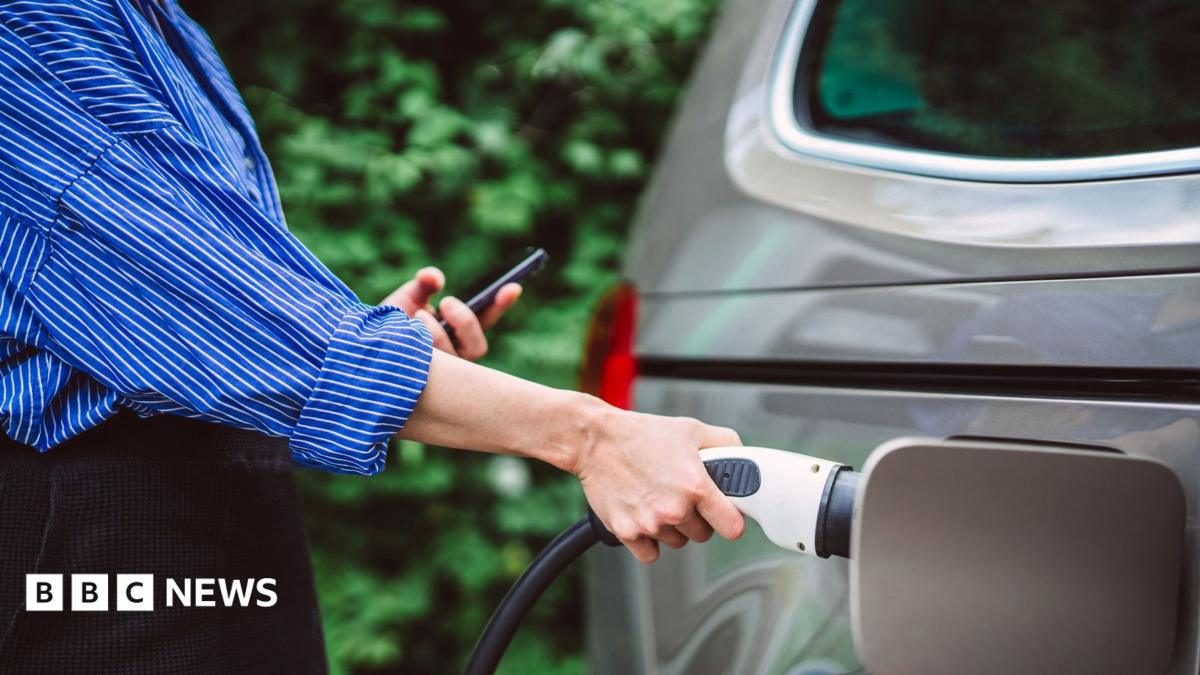
The UK government is anticipated to lower its electric vehicle (EV) sales targets this week. This decision is expected to be met with approval from car manufacturers but could face opposition from environmental organizations. Under current regulations, 80% of new cars sold in the UK were required to be electric by 2030.
The government had aimed to phase out new petrol and diesel car sales by 2030, with all new cars becoming zero-emission by 2035. However, the pace of this transition to electric vehicles has been a subject of intense debate, even within the cabinet.
Highlights
- The UK government is set to reduce its electric vehicle sales targets this week.
- Current targets mandated 80% of new car sales to be electric by 2030.
- Carmakers are likely to welcome the move, while environmental groups and energy industry associations oppose it.
- Prime Minister Andy Burnham recused himself from the issue due to his wife's connection to an EV company.
- The government states it will approach the issue in a "pragmatic and balanced" way.
Details
The UK government has been reviewing its policy to ban new petrol and diesel car sales by 2035. Industry groups have long advocated for "urgent relief" from the existing targets. Government sources indicate that the issue will be approached in a "pragmatic and balanced" manner.
Any weakening of these targets could be interpreted by some as the government prioritizing economic considerations over environmental ones. Environmental groups argue that any reduction in the 2030 target would jeopardize the UK's long-term electrification and climate goals. Energy UK, the trade association for the energy industry, also opposes the move, stating that reducing targets could harm "the investment certainty needed to deliver the infrastructure, innovation and services required for the transition to zero-emission transport."
Prime Minister Andy Burnham has recused himself from this issue due to his wife's links to an electric vehicle company, with Cabinet Office Minister Louise Haigh chairing the key meetings instead. A government spokesperson affirmed their commitment to phasing out all new cars relying solely on petrol and diesel engines by 2030, and to 100% of new car and van sales being zero emission by 2035, as well as their legally binding net-zero targets.
Why it matters
This decision could significantly impact the UK's claim to leadership in combating climate change and its ability to achieve net-zero emission targets. While providing short-term relief to the automotive sector, reducing these targets could have substantial implications for the nation's environmental commitments and long-term sustainability goals. Furthermore, it might influence similar policies in other countries, especially after the European Union also scaled back its plans to ban new petrol and diesel car sales by 2035.