New Forest National Park Wildfire Restoration Work Begins
Restoration efforts have commenced in England's New Forest National Park following a devastating summer wildfire that destroyed a significant area.
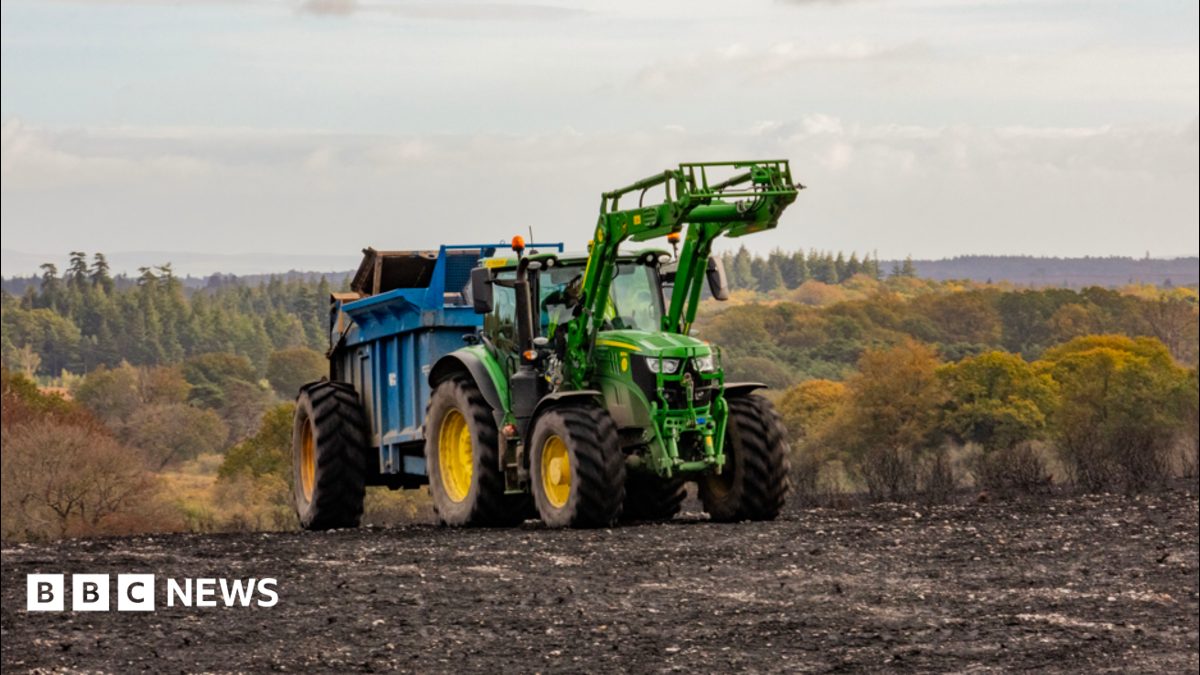
Restoration work has begun in the New Forest National Park in southern England, aiming to revive nature after a major wildfire that occurred during the summer months. The fire, which spread from a blazing van on August 9, destroyed over 1 square kilometer (247 acres), impacting rare heathland, ancient woodlands, and boggy areas.
Forestry England announced the launch of a long-term project. Specialist teams are now on site, working to protect the most vulnerable areas ahead of winter and assisting in reseeding heather plants.
Highlights
- The wildfire destroyed rare heathland, ancient woodlands, and root layers in boggy areas.
- Forestry England has started work to protect vulnerable areas and reseed heather before winter.
- Heather seeds harvested from nearby forest sections have been spread over the most affected areas to form a protective mat.
- The agency successfully used the same technique after a previous wildfire in the New Forest in 1989, leading to full restoration in almost 40 years.
- Boggy areas sustained the least damage and showed the quickest recovery, acting as a barrier to the fire's spread.
Details
The fire not only removed all surface plants but also traveled underground, destroying layers of roots and seed banks. This particularly reduced the carbon storage capacity of peat-rich areas. At its peak, the fire closed the A31, a major tourist and commuter route between Hampshire and Dorset, for nearly two weeks. The fire is estimated to have cost the fire service approximately £600,000.
Dave Morris of Forestry England stated that the scene immediately after the fire was unforgettable, describing "large areas reduced to piles of charcoal, burnt soils and torched trees." Teams are also exploring ways to protect the vulnerable roots of ancient beech and oak trees damaged by this summer's blaze. The boggy parts of the fire site sustained the least damage, acting as a barrier to help slow the blaze from moving more widely across the forest, and have recovered the quickest.
Why it matters
These restoration efforts are crucial for mitigating the devastating impacts of large wildfires on ecosystems and facilitating the return of natural life. Utilizing long-term projects and learning from past successful experiences is vital for supporting nature's resilience and developing adaptation strategies against future similar disasters. Although full recovery is expected to take many decades, timely interventions aim to provide nature with the necessary support.