Rare Tree Species Finds New Home in Scottish Botanic Garden
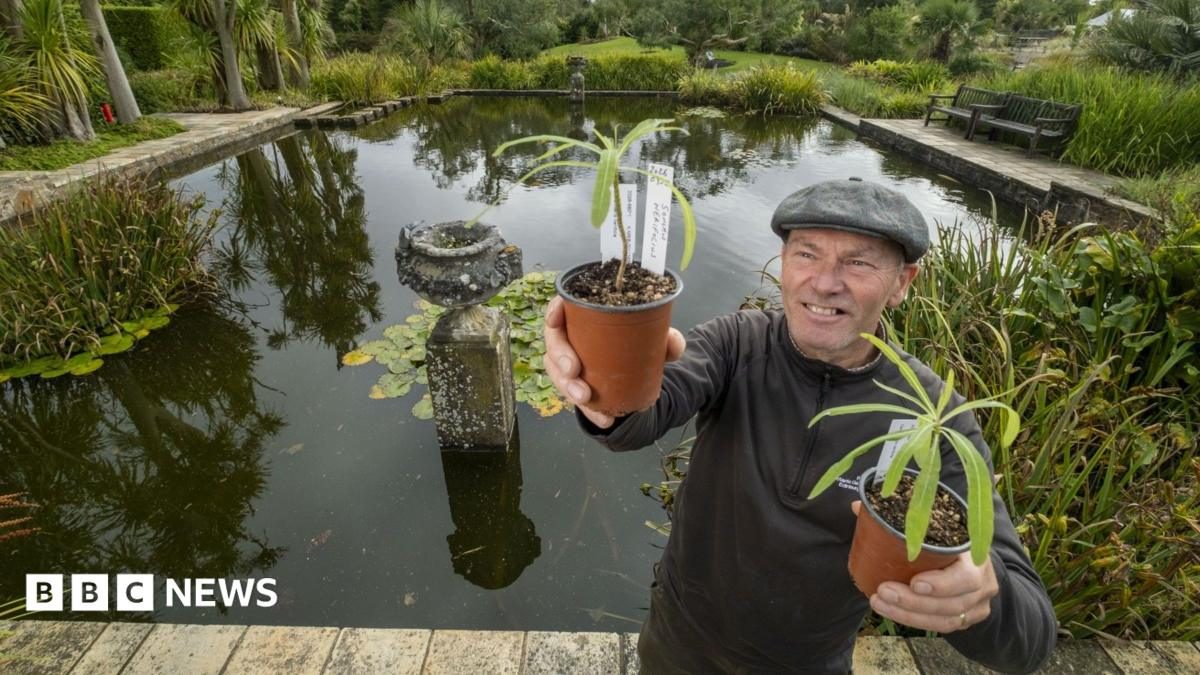
Two seedlings of the critically endangered dendroseris neriifolia, a tree daisy from Robinson Crusoe Island, have arrived at Logan Botanic Garden in Scotland.
Highlights
- Two seedlings of the dendroseris neriifolia, one of the world's most endangered trees, have been relocated to Logan Botanic Garden in southwest Scotland.
- This species, endemic to Robinson Crusoe Island, Chile, faces extinction due to habitat destruction, invasive species, and recurrent wildfires.
- The transfer is part of a collaborative international conservation effort involving experts from Chile and the UK.
- Logan Botanic Garden's climate is considered particularly suitable for cultivating rare Chilean plant species.
Details
The dendroseris neriifolia, a distinctive tree daisy, is found exclusively on Chile's Robinson Crusoe Island. Its population has drastically declined over recent decades, with only eight wild specimens remaining by 1980. While reintroduction initiatives began in the early 2000s, a lapse in protective measures in 2017 left the species vulnerable once more to encroaching vegetation and foraging animals. Currently, the sole remaining wild tree is secured with ropes on a precipitous volcanic formation to prevent its collapse.
In May of this year, 29 seeds were gathered from this solitary tree and dispatched to the Millennium Seed Bank at Kew Wakehurst. Eight of these seeds successfully germinated, and two of the resulting seedlings have now been moved to Logan Botanic Garden. The remaining seedlings will continue to be cared for at Kew. Richard Baines, the curator at Logan, emphasized the significance of this arrival, noting the garden's potential to contribute substantially to understanding and safeguarding the species.
Baines remarked, "Experience shows that plant species from the Juan Fernández Islands do well at Logan." He added that establishing a secure environment for these young plants, observing their growth, and studying their adaptation to different settings offers a significant opportunity for conservation.
Why it matters
Scientists involved in this project highlight that this global partnership offers a unique chance to avert the disappearance of a distinct plant lineage and preserve a component of the natural heritage of the Juan Fernández archipelago. Diego Penneckamp, a scientist at Jardín Botánico VerdeNativo, described the effort to save the species as "a race against time." Such initiatives are crucial for maintaining biodiversity and ensuring that the planet's natural legacy endures for future generations.