Bank of England Expected to Hold Rates Amid Rising Inflation Concerns
The Bank of England's Monetary Policy Committee is widely anticipated to keep interest rates unchanged despite accelerating inflation and global energy price hikes.
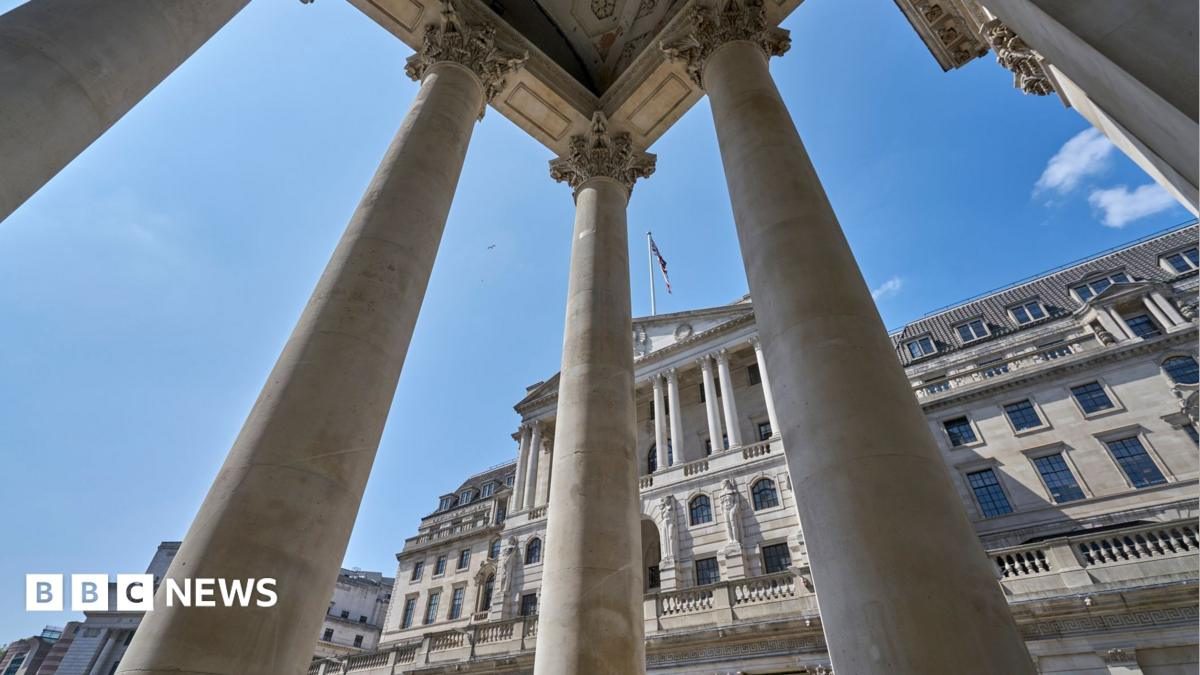
The Bank of England's (BoE) Monetary Policy Committee (MPC) is expected to maintain interest rates at their current level, even as price increases accelerate due to the ongoing conflict in the Middle East and rising global energy costs. Economists predict the committee will hold the benchmark Bank rate at 3.75% for the sixth consecutive meeting. However, analysts are divided on whether a rate hike will be necessary before the end of the year.
Highlights
- The Bank of England is anticipated to keep interest rates at 3.75%.
- Consumer Prices Index (CPI) inflation rose to 3.1% in August from 2.9% in July.
- Global energy cost increases are expected to further fuel inflation.
- The European Central Bank and the US Federal Reserve have recently raised their rates for similar reasons.
- Mortgage rates are climbing, while savers might see more generous returns.
Details
The Bank of England's interest rate decision is crucial for setting benchmarks for banks and lenders, influencing borrowing and saving rates for individuals and businesses. Official figures released in August showed that the Consumer Prices Index (CPI) measure of inflation increased to 3.1% from 2.9% in July, reaching its highest rate in six months. This acceleration was primarily driven by rising costs for petrol, diesel, and airfares.
BoE Governor Andrew Bailey previously stated that if the conflict in the Middle East escalated and oil prices remained above $100 a barrel, interest rates would likely need to increase. Oil prices have indeed stayed above $100 since September 9. Both the European Central Bank and the US Federal Reserve have recently raised their interest rates to 2.5% and 3.5-3.75%, respectively, citing similar inflationary pressures.
Why it matters
The decision on interest rates will have significant implications for UK households and businesses. Higher interest rates increase borrowing costs, which can affect mortgages and other loans. Conversely, savers might benefit from more generous returns on their deposits. However, the rising cost of living could erode the purchasing power of these savings. Experts suggest that if inflation proves persistent, lenders' funding costs will remain under pressure, making it harder to offer cheaper mortgages.